Understanding gender sociology and feminist theory opens a window into how society shapes our perceptions of identity, power, and equality. These fields explore the intricate ways gender influences social structures, relationships, and individual experiences.

By examining historical and contemporary perspectives, we can better grasp ongoing struggles for justice and inclusion. Whether it’s challenging stereotypes or analyzing systemic biases, this knowledge empowers us to engage thoughtfully with pressing social issues.
Ready to dive deeper? Let’s explore the subject in detail below.
How Society Crafts Our Sense of Gender
From Birth to Social Scripts
When a child is born, the world quickly assigns them a gender, often based solely on biological markers. But this is just the starting point. From that moment, countless social cues begin shaping how that child will understand and express their gender.
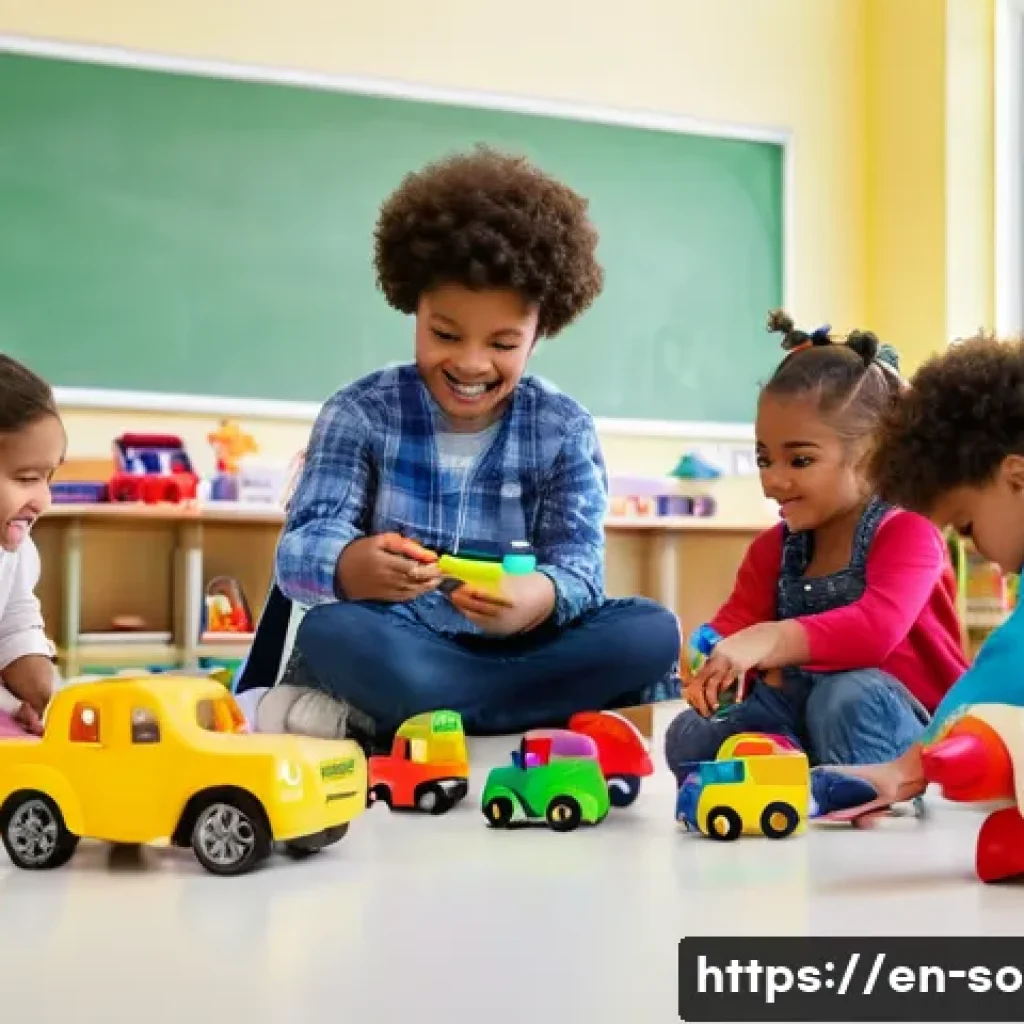
Clothes, toys, language, and even the expectations of family and peers all act like invisible scripts guiding behavior. I remember noticing how my niece was given trucks and action figures simply because she was labeled a boy, while her sister received dolls.
These early experiences aren’t just about play; they’re powerful signals about what society expects and accepts. It’s fascinating—and troubling—how deeply ingrained these norms become without us even realizing.
The Role of Media and Culture in Gender Norms
Media acts as a megaphone for cultural ideas about gender, reinforcing stereotypes or sometimes challenging them. Television shows, movies, advertisements, and social media collectively shape what we consider masculine or feminine.
Growing up, I saw how commercials relentlessly pushed certain beauty standards for women and toughness for men. Even today, despite progress, many portrayals remain one-dimensional, shaping perceptions and limiting possibilities.
But there’s also a growing wave of content that questions these norms, giving voice to diverse gender identities and expressions. This tug-of-war in media reflects broader social changes and tensions around gender roles.
Gender Performance and Everyday Interactions
Gender isn’t just about identity; it’s something we perform daily through our actions, speech, and even body language. Sociologist Judith Butler famously argued that gender is a repeated performance rather than a fixed trait.
In my own life, I’ve noticed how certain gestures or ways of speaking are expected depending on who I’m with and where I am. These performances are often unconscious but deeply influenced by social expectations.
For example, in professional settings, men might feel pressure to be assertive, while women might be expected to be accommodating. These micro-level interactions reveal how gender shapes power dynamics and social order on a very personal level.
Unpacking Power Structures Through Gender Lens
Institutional Gatekeepers and Gendered Access
Power isn’t evenly distributed, and gender is a key factor influencing who gets access to opportunities and resources. Institutions—whether in education, the workplace, or politics—often have built-in biases that favor certain genders.
I’ve seen this firsthand in corporate environments where leadership roles skew heavily male, and women face invisible barriers like the glass ceiling or wage gaps.
These inequalities aren’t just accidental but often rooted in long-standing social structures that maintain male dominance. Understanding these gatekeepers helps reveal why simply changing attitudes isn’t enough; systemic reform is essential.
Intersectionality: When Gender Meets Other Identities
Gender doesn’t operate in isolation. It intersects with race, class, sexuality, and other identities to shape unique experiences of privilege and oppression.
Kimberlé Crenshaw’s concept of intersectionality sheds light on how, for example, a Black woman’s experience of sexism can be vastly different from that of a white woman.
Reflecting on my volunteer work with marginalized communities, it became clear how layered discrimination can be. These overlapping identities create complex social realities that single-issue approaches often overlook.
Addressing gender justice requires acknowledging these multiple dimensions.
Resistance and Agency Within Power Dynamics
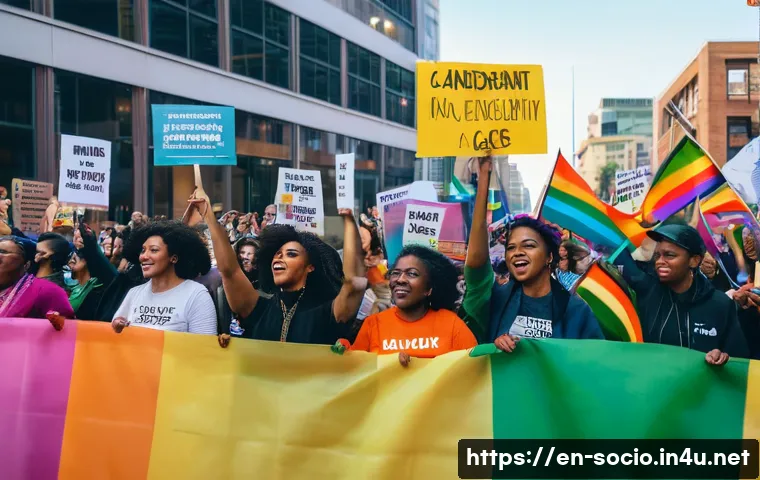
Even in the face of entrenched power structures, individuals and groups resist and reclaim agency. Feminist movements, LGBTQ+ activism, and grassroots campaigns show how marginalized voices push back against norms and create new spaces for expression.
I recall attending a panel where activists shared stories of challenging workplace harassment and advocating for inclusive policies. These acts of resistance aren’t just reactions; they’re powerful assertions of identity and rights.
They remind us that power is dynamic and can be contested through collective action and personal courage.
Deconstructing Stereotypes and Social Expectations
The Origins and Impact of Gender Stereotypes
Stereotypes about what men and women “should” be like are deeply rooted in history and culture. These simplified ideas often pigeonhole people into narrow roles that limit personal freedom.
For example, the stereotype that women are naturally more nurturing can lead to expectations that they must prioritize caregiving over career. I’ve encountered many friends who felt pressured to conform to these roles despite wanting different paths.
These stereotypes also affect men, who may face stigma for showing vulnerability or pursuing traditionally “feminine” interests. Understanding where these ideas come from helps us challenge their validity.
Breaking Free: Stories of Personal Transformation
Real change happens when individuals question and break away from stereotypes. I’ve talked with people who, after years of feeling confined by gender expectations, found ways to express themselves authentically.
One friend shared how embracing non-binary identity transformed their relationships and sense of self. These stories highlight how dismantling stereotypes isn’t just theoretical; it has profound emotional and social implications.
It’s inspiring to see how personal courage can ripple outwards to influence communities and even policies.
The Role of Education in Challenging Stereotypes
Education can be a powerful tool in combating gender stereotypes, but it requires intentional effort. Curriculum, teacher attitudes, and school culture all contribute to either reinforcing or dismantling traditional gender roles.
From my experience tutoring, I’ve noticed how classroom discussions that include diverse gender perspectives encourage critical thinking and empathy. Schools that adopt inclusive policies and materials create safer environments for all students.
However, resistance still exists in many places, showing that education reform is an ongoing struggle but an essential one.
Understanding the Spectrum: Beyond Binary Gender
Recognizing Non-Binary and Gender Fluid Identities
The idea that gender is strictly male or female is increasingly challenged by people who identify outside these categories. Non-binary, genderqueer, and genderfluid individuals experience gender in ways that don’t fit traditional binaries.
I’ve met folks who describe their gender as a shifting experience, not a fixed label, which can be freeing but also difficult in a world built around binary expectations.
Acknowledging these identities helps broaden our understanding of human diversity and challenges rigid social norms.
The Language of Gender Inclusivity
Language plays a crucial role in recognizing and respecting diverse gender identities. Pronouns, for example, are more than grammatical tools—they affirm identity.
I remember the first time a friend asked me to use they/them pronouns for them; it took some adjustment but ultimately deepened my respect for their experience.
Institutions adopting gender-neutral language signal inclusivity and create safer spaces. This linguistic shift, though sometimes slow, reflects changing social attitudes toward gender.
Legal and Social Recognition Challenges
Despite growing awareness, legal systems and social institutions often lag in recognizing non-binary and transgender identities. Issues around identification documents, healthcare access, and anti-discrimination protections remain contentious.
I’ve followed stories of activists fighting for inclusive laws that allow people to update gender markers without invasive requirements. These battles highlight the gap between social realities and legal frameworks, underscoring the importance of advocacy and policy change to achieve true equality.
Mapping Gender Inequality in Economic and Political Spheres
Workplace Disparities and the Gender Pay Gap
The economic arena is a clear battleground for gender equality. Women and gender minorities often face unequal pay, fewer leadership opportunities, and workplace discrimination.
I’ve personally seen talented women passed over for promotions or asked to take on unpaid emotional labor. The gender pay gap is a persistent issue that reflects deeper structural biases and societal undervaluing of certain roles.
Addressing these disparities requires not only policy changes but also cultural shifts within organizations.
Political Representation and Gender Parity
Political power remains disproportionately held by men worldwide, limiting diverse perspectives in decision-making. Efforts to increase women’s representation through quotas or support programs have had mixed success.
From watching election coverage and advocacy campaigns, I’ve observed how female candidates often face gendered scrutiny not applied to their male counterparts.
Greater political inclusion is crucial for policies that address gender-specific needs and promote equity.
Balancing Care Work and Economic Participation
Unpaid care work, mostly done by women, is a hidden pillar of economies but often ignored in policy discussions. This labor includes childcare, eldercare, and household tasks, which impact women’s ability to participate fully in paid work.
I know many working mothers who juggle exhausting schedules without adequate support. Recognizing and redistributing care work is essential for achieving real economic equality and improving quality of life for all genders.
Exploring Feminist Waves and Their Legacies
The Early Struggles: Suffrage and Legal Rights
The first wave of feminism focused on securing basic legal rights, especially the right to vote. These early activists laid the groundwork for future movements, often facing fierce opposition.
Learning about figures like Susan B. Anthony and Emmeline Pankhurst shows how strategic organizing and relentless determination brought monumental change.
Their legacy is a reminder that progress often starts with demanding recognition and inclusion.
The Second Wave: Expanding the Agenda
During the 1960s and 70s, feminism broadened its focus to include workplace equality, reproductive rights, and challenging cultural norms. This wave introduced critical concepts like patriarchy and consciousness-raising.
I’ve read personal accounts from women who experienced this era as both liberating and turbulent, highlighting the complexities of social change. The second wave’s achievements continue to influence contemporary debates about gender and justice.
Contemporary Feminism: Diversity and Digital Activism
Today’s feminist movements are more diverse and intersectional, embracing voices from different races, sexualities, and global contexts. Social media has become a powerful tool for activism, enabling rapid mobilization and awareness.
I’ve followed campaigns like #MeToo that exposed widespread harassment and sparked conversations worldwide. Modern feminism faces new challenges but also unprecedented opportunities to build inclusive communities and push for systemic reform.
Charting Gender Theories and Their Practical Impact
Key Theoretical Frameworks and Thinkers
Various theories help us analyze gender beyond surface-level observations. Structural functionalism, conflict theory, symbolic interactionism, and queer theory each offer unique lenses.
For instance, conflict theory highlights power struggles around gender, while symbolic interactionism focuses on everyday meanings and performances. Studying theorists like bell hooks and Michel Foucault enriches our understanding by linking gender to broader social and political contexts.
Personally, applying these frameworks has deepened how I interpret social interactions and policies.
Applying Theory to Social Change
Theories aren’t just academic—they guide real-world activism and policy. Understanding systemic sexism or heteronormativity helps design interventions that target root causes rather than symptoms.
For example, programs addressing workplace harassment often draw on feminist theory to create more effective training and support systems. In my consulting work, using these insights has improved communication and outcomes by framing issues in ways that resonate with diverse audiences.
Challenges and Critiques Within Gender Scholarship
Gender theory itself is not without debate. Some argue it can be overly abstract or disconnected from lived experiences, while others critique it for insufficiently addressing race or class.
These internal discussions are healthy and necessary for growth. From attending academic talks, I’ve appreciated how scholars continuously refine ideas to be more inclusive and applicable.
This evolution reflects the dynamic nature of gender as a field of study and activism.
Comparing Global Perspectives on Gender Roles
Traditional Roles and Modern Shifts Worldwide
Around the world, gender roles vary widely but are often shaped by cultural, religious, and economic factors. In many societies, traditional roles still dominate, with expectations about family, work, and behavior deeply embedded.
However, globalization and social movements are prompting changes. For example, in Scandinavian countries, policies promoting gender equality have transformed family dynamics and labor markets.
Contrasting these examples with more conservative regions reveals the complex interplay between tradition and progress.
Gender Policies and Their Effectiveness
Different countries adopt various policies to promote gender equity, from parental leave to anti-discrimination laws. Some, like Iceland’s equal pay certification, set ambitious standards, while others struggle with enforcement.
Evaluating these policies requires looking at both legal frameworks and cultural acceptance. In my research, I found that policy success often depends on grassroots support and public awareness, not just legislation.
Challenges Facing Gender Minorities Globally
Across many parts of the world, transgender and non-binary people face legal and social persecution. Access to healthcare, legal recognition, and protection from violence remain critical issues.
International organizations and local activists work tirelessly to improve conditions, but progress is uneven. Hearing stories from global LGBTQ+ networks has been eye-opening, showing both the resilience of communities and the urgent need for solidarity and policy reform.
| Aspect | Traditional View | Contemporary Perspective | Impact on Society |
|---|---|---|---|
| Gender Identity | Binary (male/female) | Spectrum including non-binary, genderfluid | Greater inclusivity and recognition of diversity |
| Workplace Roles | Men as breadwinners, women as caregivers | Shared responsibilities and diverse career paths | Economic empowerment and reduced stereotypes |
| Political Representation | Male-dominated leadership | Increasing gender parity and diverse voices | More equitable policies and social justice |
| Media Portrayal | Stereotypical gender roles | Complex, diverse gender representations | Shaping attitudes and challenging norms |
| Legal Recognition | Gender assigned at birth, rigid categories | Legal recognition of gender identity changes | Improved rights and social acceptance |
Conclusion
Understanding how society shapes our sense of gender reveals the deep-rooted norms and power structures influencing daily life. From early socialization to global policies, gender remains a dynamic and complex aspect of identity. Recognizing diverse experiences and challenging stereotypes is essential for fostering inclusivity and equality. By embracing change and advocating for systemic reform, we can create a world that respects and celebrates all gender expressions.
Useful Information to Remember
1. Gender is not solely determined by biology but is heavily influenced by social expectations and cultural norms.
2. Media plays a powerful role in reinforcing or challenging traditional gender stereotypes.
3. Intersectionality highlights that gender experiences are shaped by overlapping identities like race, class, and sexuality.
4. Legal recognition and inclusive language are key steps toward supporting non-binary and transgender individuals.
5. Economic and political gender disparities persist, requiring both policy changes and cultural shifts to address.
Key Takeaways
Gender is a socially constructed and performed identity shaped by early experiences, media, and institutional biases. Power imbalances manifest in unequal access to opportunities and representation, while intersectionality emphasizes the complexity of discrimination. Breaking stereotypes and promoting inclusive education help challenge outdated norms. Recognizing diverse gender identities and advocating for legal protections remain critical for true equality. Finally, ongoing feminist activism and global perspectives enrich our understanding and inspire meaningful change.
Frequently Asked Questions (FAQ) 📖
Q: What is the main focus of gender sociology and feminist theory?
A: Gender sociology and feminist theory primarily examine how society constructs and influences our understanding of gender roles, identity, and power dynamics.
They analyze how these factors shape social institutions, relationships, and personal experiences, shedding light on inequalities and systemic biases that affect various groups differently.
Q: How can studying these fields help in addressing social issues?
A: By exploring historical and current perspectives on gender and power, these fields equip us with the tools to recognize and challenge stereotypes, discrimination, and systemic oppression.
This awareness fosters empathy and critical thinking, empowering individuals and communities to advocate for equality, inclusion, and social justice in practical and informed ways.
Q: Are gender sociology and feminist theory relevant only to women’s issues?
A: Not at all. While feminist theory often focuses on women’s experiences, both gender sociology and feminist theory address the broader spectrum of gender identities and how societal expectations impact everyone—including men, non-binary, and transgender individuals.
These disciplines promote understanding of how all people are affected by gender norms and power structures, aiming for a more equitable society for all.