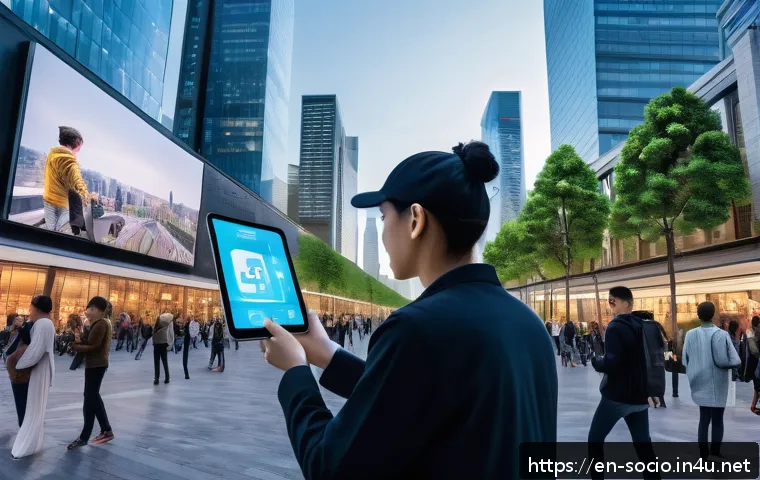
In a world where social challenges are becoming increasingly complex, innovative public policies offer a beacon of hope and practical solutions. From climate change to economic inequality, governments are experimenting with forward-thinking strategies that could redefine how we address these urgent issues.
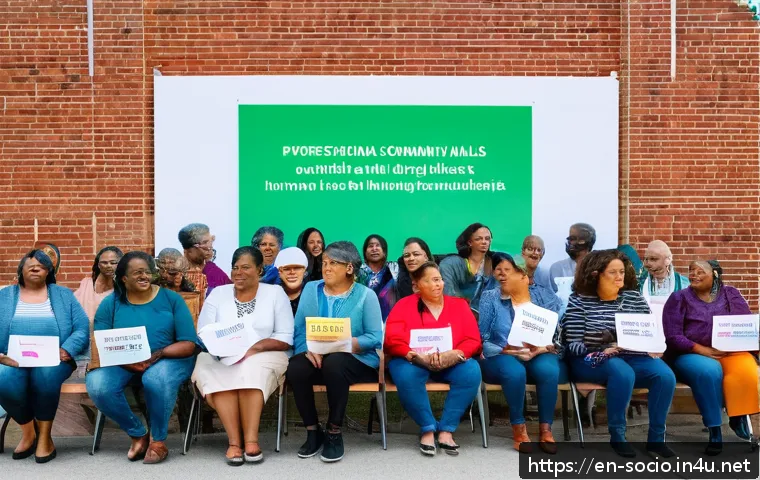
Lately, we’ve seen a surge in data-driven and community-focused initiatives that not only promise effectiveness but also foster trust and engagement. If you’ve ever wondered how creative policy-making can transform society, this post dives into the latest trends shaping our future.
Stick around to explore real-world examples that prove innovation isn’t just a buzzword—it’s a game-changer.
Embracing Technology for Smarter Governance
Data-Driven Decision Making: Turning Numbers into Impact
Governments today are no longer relying solely on intuition or traditional methods when crafting policies. Instead, they harness vast amounts of data from diverse sources—ranging from public health records to traffic sensors—to create more precise and effective interventions.
For instance, cities use predictive analytics to anticipate infrastructure failures or optimize public transport routes, significantly reducing costs and improving user experience.
What I find fascinating is how this data-centric approach empowers officials to identify problems early and allocate resources where they truly matter.
This shift is not just about efficiency; it also boosts accountability by making outcomes measurable and transparent, which helps rebuild public trust.
Artificial Intelligence in Public Services: Beyond Automation
AI isn’t just about chatbots or automated responses anymore. Governments are experimenting with AI-powered platforms to analyze complex social patterns, such as identifying at-risk populations for homelessness or predicting environmental hazards.
The key advantage is AI’s ability to process vast datasets and reveal hidden connections that humans might miss. For example, some municipalities have implemented AI-driven tools to detect fraudulent claims in social welfare programs, saving millions annually.
But what really stands out is how AI supports personalized services, tailoring interventions to individual needs rather than using a one-size-fits-all model, which has traditionally left many behind.
Open Data Initiatives: Building Trust through Transparency
Opening government data to the public has become a cornerstone of innovative policy-making. Open data portals allow citizens, researchers, and entrepreneurs to access valuable information, fostering collaboration and enabling new solutions.
From environmental monitoring to budget spending, transparency helps hold officials accountable while inviting community participation. Cities like New York and London have set strong examples by offering user-friendly platforms where anyone can track how funds are allocated or how public projects progress.
This transparency doesn’t just build trust; it also sparks innovation by turning ordinary citizens into active problem-solvers.
Community Engagement as a Catalyst for Change
Participatory Budgeting: Giving Citizens a Voice
Participatory budgeting transforms how public funds are spent by involving community members directly in decision-making. Residents propose and vote on projects, ensuring that spending reflects local priorities rather than distant bureaucratic agendas.
From my conversations with people in cities practicing this model, the sense of ownership it creates is palpable. It’s not just about funding parks or street repairs—it’s about empowering communities to shape their environment and feel heard.
This approach also encourages diverse voices, including underrepresented groups, to participate in shaping policies that affect their daily lives.
Community-Led Solutions: Harnessing Local Knowledge
Top-down policies often miss the nuanced realities of neighborhoods, but community-led initiatives flip that script. Local organizations and residents bring invaluable insights to the table, which can make interventions more relevant and sustainable.
For example, in tackling food insecurity, some cities partner with grassroots groups that understand the unique barriers faced by their neighborhoods, such as transportation or cultural preferences.
These partnerships often result in programs that are better tailored and more quickly adopted by the community. From my experience, when people feel their expertise is recognized, they become active collaborators rather than passive recipients.
Digital Platforms for Civic Participation
The rise of digital tools has opened new avenues for citizen engagement beyond traditional town halls or surveys. Online platforms and apps allow residents to report issues, suggest improvements, or participate in policy discussions anytime, anywhere.
This flexibility is crucial for reaching younger populations and busy individuals who might otherwise stay disengaged. For example, several cities have launched apps where users can report potholes or unsafe conditions with geotagged photos, speeding up responses from public agencies.
What’s exciting is how these platforms foster a continuous dialogue, breaking down barriers between governments and citizens.
Innovative Approaches to Environmental Challenges
Green Infrastructure: Nature-Based Solutions for Urban Resilience
Rather than relying solely on concrete and steel, cities are increasingly investing in green infrastructure like rain gardens, permeable pavements, and urban forests to manage stormwater and reduce heat islands.
These nature-based solutions not only address environmental problems but also enhance community well-being by creating green spaces that promote health and social interaction.
I’ve seen firsthand how integrating parks and wetlands into urban planning can transform neighborhoods, making them more livable and resilient to climate extremes.
It’s a win-win approach that blends ecology with engineering.
Carbon Pricing and Incentive Programs
To tackle greenhouse gas emissions, many governments are adopting carbon pricing mechanisms such as taxes or cap-and-trade systems. These policies create financial incentives for businesses and consumers to reduce their carbon footprint.
Beyond pricing, incentive programs encourage innovation in clean energy, energy efficiency, and sustainable transportation. From my perspective, the real breakthrough happens when these economic tools are paired with clear communication and support, helping people and companies transition smoothly rather than feeling penalized.
This balanced approach can drive meaningful change without sparking backlash.
Community Renewable Energy Projects
Local renewable energy initiatives, such as community solar gardens or cooperative wind farms, empower residents to take part in the clean energy transition.
These projects often lower costs and increase access, especially for underserved populations who might not afford individual installations. What’s remarkable is how they build social capital, fostering collaboration and shared responsibility.
I’ve encountered stories where neighbors come together not only to invest but also to advocate for broader sustainability policies, amplifying their impact beyond the project itself.
Addressing Economic Inequality through Policy Innovation
Universal Basic Income Pilots: Testing New Safety Nets
Universal Basic Income (UBI) experiments have gained traction as a bold way to alleviate poverty and provide economic security amid automation and job shifts.
While results vary, many pilots show positive effects on recipients’ well-being, mental health, and even entrepreneurial activity. From interviews with participants, the relief from constant financial stress allows people to pursue education, care for family, or start small businesses.

Although UBI isn’t a silver bullet, these trials offer valuable lessons for designing flexible, dignified support systems in the future.
Workforce Development and Reskilling Programs
Rapid technological changes demand new skills, and governments are responding with innovative training programs tailored to emerging industries. These initiatives often combine public-private partnerships, apprenticeships, and online learning to create accessible pathways for displaced workers.
What impressed me was the focus on personalized learning journeys, recognizing that not everyone benefits from traditional classroom settings. By aligning training with local labor market needs, these programs increase employability and help close the opportunity gap.
Inclusive Entrepreneurship Support
Supporting entrepreneurs from marginalized communities has become a priority in reducing economic disparities. Innovative policies offer grants, mentorship, and streamlined regulatory processes to lower barriers for startups led by women, minorities, or low-income individuals.
In cities with such programs, I’ve observed a vibrant ecosystem where diverse voices bring fresh ideas and job opportunities. This inclusive approach not only promotes equity but also fuels economic growth by tapping into underutilized talent.
Reimagining Healthcare Access and Delivery
Telehealth Expansion: Breaking Down Barriers
The pandemic accelerated the adoption of telehealth, which has revolutionized access to medical care, especially for rural or mobility-challenged populations.
Beyond convenience, virtual visits reduce costs and improve chronic disease management by enabling regular monitoring. From personal experience, telehealth can be a game-changer when paired with digital literacy support and reliable internet access.
However, policymakers must address equity gaps to ensure no one is left behind as healthcare becomes more digital.
Community Health Workers: Bridging Gaps in Care
Investing in community health workers (CHWs) who understand local culture and languages improves healthcare outcomes by building trust and providing tailored support.
CHWs help navigate complex systems, promote preventive care, and address social determinants like housing or nutrition. I’ve seen programs where CHWs dramatically increased vaccination rates and reduced hospital readmissions, proving their value as frontline partners in public health.
Integrated Health and Social Services
Innovative models that combine healthcare with social services recognize that health is shaped by broader life circumstances. By coordinating medical care, housing assistance, and mental health support, these programs offer holistic solutions for vulnerable populations.
What stands out is how integration reduces duplication and improves patient experience, making systems more efficient and compassionate at the same time.
Enhancing Education through Inclusive Policies
Personalized Learning and Technology Integration
Education policies increasingly emphasize personalized learning plans supported by adaptive technologies. These approaches accommodate diverse learning styles and paces, helping students who might struggle in traditional classrooms.
From my visits to schools utilizing such tools, the engagement and confidence among students noticeably improve. Technology here acts as a facilitator, enabling teachers to focus on individualized support rather than one-size-fits-all instruction.
Equity-Focused Funding Models
To close achievement gaps, some districts have adopted funding formulas that allocate more resources to schools serving disadvantaged communities. This targeted investment helps provide extra tutoring, counseling, and enrichment programs.
While the idea isn’t new, what I appreciate is the growing political will and transparency around these models, which hold districts accountable for equitable outcomes rather than mere spending.
Community Partnerships in Education
Schools partnering with local organizations, businesses, and families create richer learning environments and support networks. These collaborations provide mentorship, internships, and real-world learning opportunities that prepare students for future careers.
I’ve seen such partnerships boost student motivation and connect education to community needs, making learning more relevant and dynamic.
| Policy Area | Innovative Approach | Key Benefits | Example |
|---|---|---|---|
| Governance | Data-Driven Decision Making | Improved resource allocation, transparency, accountability | Predictive analytics in public transport planning |
| Community Engagement | Participatory Budgeting | Empowered citizens, tailored spending, increased trust | Community voting on local infrastructure projects |
| Environment | Green Infrastructure | Urban resilience, enhanced public health, climate adaptation | Rain gardens and urban forests in cities |
| Economic Inequality | Universal Basic Income Pilots | Financial security, mental health improvements, entrepreneurship | UBI trials in various US cities |
| Healthcare | Telehealth Expansion | Greater access, cost reduction, chronic disease management | Virtual medical consultations post-pandemic |
| Education | Personalized Learning | Increased engagement, individualized support, better outcomes | Adaptive learning platforms in schools |
In Conclusion
Embracing innovative policies and technologies is transforming how governments serve their communities. From smarter data use to inclusive engagement, these approaches foster transparency, resilience, and equity. By prioritizing collaboration and adaptability, we can build stronger, more responsive societies that meet today’s challenges head-on. The future of governance lies in integrating people-centered solutions with cutting-edge tools.
Helpful Insights to Remember
1. Data-driven decision making enhances efficiency and accountability by turning complex information into actionable strategies.
2. Community involvement, like participatory budgeting, empowers citizens and ensures policies reflect local needs.
3. Nature-based solutions in urban planning improve environmental resilience while boosting public health and quality of life.
4. Economic policies such as Universal Basic Income pilots and workforce reskilling provide critical support amid shifting job landscapes.
5. Expanding telehealth and integrating social services strengthen healthcare access and outcomes for vulnerable populations.
Key Takeaways
Effective governance today relies on blending technology with community-driven initiatives to create transparent, equitable, and sustainable solutions. Prioritizing data-informed policies, inclusive participation, and holistic approaches across sectors leads to measurable improvements in public trust, environmental resilience, economic opportunity, healthcare access, and education quality. Embracing these innovative strategies is essential for building resilient societies that can adapt and thrive in a rapidly changing world.
Frequently Asked Questions (FAQ) 📖
Q: What are some examples of innovative public policies currently being implemented to tackle social challenges?
A: Recently, we’ve seen governments adopt data-driven policies like predictive analytics to improve healthcare outcomes and allocate resources more efficiently.
For instance, some cities use real-time air quality monitoring combined with public alerts to combat pollution-related health risks. Additionally, community-focused initiatives such as participatory budgeting empower residents to decide how local funds are spent, boosting civic engagement and ensuring policies address actual needs.
These examples highlight how blending technology and community input creates more responsive and impactful solutions.
Q: How do data-driven policies help build public trust and engagement?
A: Data-driven policies enhance transparency by providing clear evidence behind decision-making, which helps people understand why certain actions are taken.
When citizens see that policies rely on accurate information and measurable outcomes, their confidence in government increases. Moreover, involving communities in data collection and interpretation fosters a sense of ownership.
From my experience observing local projects, when residents contribute to shaping policies through accessible data platforms, they become more engaged and supportive, making implementation smoother and more effective.
Q: Why is innovation in public policy crucial for addressing issues like climate change and economic inequality?
A: Traditional approaches often fall short because these problems are multifaceted and rapidly evolving. Innovation allows policymakers to experiment with new tools and strategies that can adapt to complex realities.
For example, climate policies now integrate smart technology for energy management, while anti-poverty programs use behavioral insights to improve participation rates.
I’ve noticed firsthand that innovative policies not only introduce fresh ideas but also create flexible frameworks that can respond to unforeseen challenges, which is essential for tackling systemic issues sustainably.