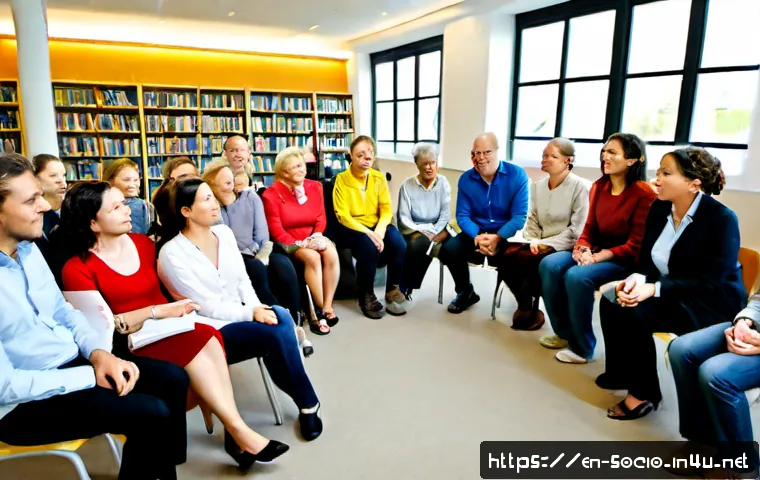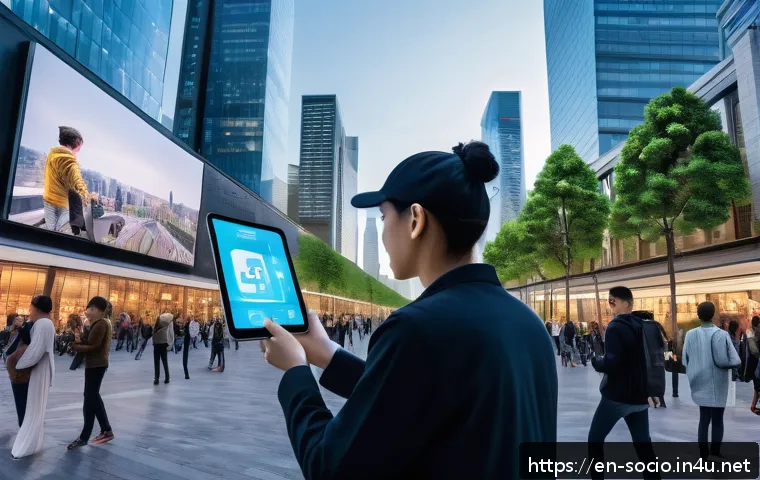
In today’s fast-paced digital world, conversations happening in public spaces—both offline and online—shape our understanding of society more than ever.

From viral social movements to heated debates on social media, the concept of the public sphere is evolving rapidly, influencing how we connect, share ideas, and drive change.
If you’ve ever wondered how collective dialogue impacts democracy and social progress, exploring social discourse and public sphere theory offers eye-opening insights.
Let’s dive into how these powerful ideas continue to redefine community engagement and the way we experience the world around us. Stick around—you’ll discover perspectives that might just change how you see everyday conversations.
How Digital Spaces Are Shaping Modern Conversations
The Rise of Online Communities and Their Influence
The explosion of online platforms has transformed the way we communicate in ways that were unimaginable a decade ago. Social media, forums, and chat groups create virtual spaces where people from all walks of life converge to share opinions, debate ideas, and form collective identities.
What’s fascinating is how these digital communities often feel more immediate and impactful than traditional face-to-face interactions. I’ve noticed that when a topic trends on Twitter or Reddit, it can spark widespread reflection and even action, sometimes faster than conventional news outlets can respond.
This immediacy reshapes the public conversation, enabling diverse voices to be heard but also challenging us to navigate misinformation and polarized views.
Blurring Lines Between Public and Private Spheres
One of the most intriguing shifts is how the boundaries between public and private conversations have blurred in the digital age. People share personal stories and opinions on platforms accessible to millions, effectively turning private thoughts into public discourse.
This shift makes it easier to humanize social issues but also exposes individuals to scrutiny and backlash. From my own experience, joining online discussions about sensitive topics often feels like walking a tightrope—balancing openness with caution.
The public sphere now isn’t just about formal debate; it’s an ongoing, messy, and deeply personal exchange that shapes collective understanding in real time.
Challenges of Moderating Digital Dialogue
Managing conversations in these sprawling online spaces is no small feat. Platforms struggle to strike a balance between fostering free expression and curbing harmful speech.
Algorithms prioritize engagement, sometimes amplifying sensational or divisive content, which complicates efforts to maintain constructive dialogue. From what I’ve observed, communities that implement thoughtful moderation and clear guidelines tend to thrive, cultivating respectful debate and meaningful interaction.
This highlights the importance of intentional design and community management in shaping the quality of public discourse today.
The Role of Social Discourse in Driving Social Change
From Awareness to Action: How Conversations Spark Movements
Social discourse is more than just talk—it’s the engine behind many grassroots movements and policy shifts. When people collectively discuss injustice, inequality, or environmental issues, these dialogues can galvanize public pressure and inspire real-world change.
I recall following the rise of various social justice campaigns online, where the power of storytelling and shared experiences mobilized thousands in a way that traditional media rarely achieved.
This dynamic underscores how public conversations function as a catalyst, turning awareness into tangible action.
Amplifying Marginalized Voices Through Collective Dialogue
The democratization of conversation means that voices historically sidelined in mainstream media now find platforms to express their realities. This inclusion enriches the public sphere by introducing diverse perspectives that challenge dominant narratives.
Personally, engaging with content from underrepresented groups has expanded my understanding of systemic issues and deepened my empathy. When communities come together in dialogue, it helps break down stereotypes and fosters solidarity, which is crucial for progressive social change.
Limitations and Risks in Social Discourse
Despite its power, social discourse is not without pitfalls. Echo chambers and confirmation bias can fragment communities and reinforce divisiveness. I’ve seen firsthand how heated debates sometimes devolve into hostility, which stalls constructive dialogue and alienates potential allies.
Additionally, the speed and volume of online conversations can dilute nuanced discussion, favoring soundbites over substance. Recognizing these limitations is essential if we want to harness social discourse effectively for social progress.
How Public Opinion Is Formed and Transformed Today
The Influence of Media and Algorithms on Collective Thought
Public opinion no longer forms in isolation; it’s deeply shaped by the media we consume and the algorithms that curate our digital experience. These systems often create feedback loops, reinforcing existing beliefs and shaping what topics gain prominence.
From my perspective, this means that understanding the mechanics behind content delivery is key to grasping how opinions evolve. Being mindful of the sources we trust and actively seeking diverse viewpoints can help counteract the narrowing effect of algorithm-driven feeds.
The Power of Dialogue in Shifting Perspectives
One of the most hopeful aspects of public discourse is its potential to change minds. Genuine conversations—whether in community groups, social media threads, or town halls—can challenge assumptions and encourage critical thinking.
I’ve experienced moments where exposure to well-articulated arguments or personal stories led me to reconsider deeply held beliefs. This transformative power depends on the willingness of participants to listen and engage respectfully, which remains a challenge but is essential for a healthy democratic process.
Social Media’s Role in Polarization and Unity
Social media platforms act as double-edged swords in shaping public opinion. On one hand, they enable rapid dissemination of information and foster connections across distances.
On the other, they can amplify divisive rhetoric and create fragmented realities. From what I’ve seen, the key lies in how individuals and communities choose to use these tools—whether to build bridges or deepen divides.
Encouraging media literacy and promoting civil discourse are critical steps toward harnessing social media’s unifying potential.
Understanding the Evolution of Public Spaces in the 21st Century
From Physical Gathering Places to Virtual Forums
Traditionally, public spaces meant physical locations like town squares, parks, or community centers where people gathered for discussion and decision-making.
Nowadays, much of this interaction has shifted online, creating virtual forums that transcend geography. This evolution has expanded access but also introduced new challenges around inclusivity and representation.
In my observation, while virtual spaces can democratize participation, they also require new norms and tools to ensure meaningful engagement and prevent marginalization.
Hybrid Spaces: Blending Offline and Online Engagement
Increasingly, public discourse happens in hybrid spaces that combine offline events with online interactions. Conferences, protests, and community meetings often have digital components that amplify reach and participation.
I’ve participated in local forums where live discussions were streamed and supplemented by online chats, allowing for broader input and follow-up conversations.

This blending enriches the public sphere by making it more dynamic and accessible, though it also demands careful coordination to maintain coherence and focus.
Designing Public Spaces for Inclusivity and Dialogue
Creating effective public spaces—whether physical or digital—requires intentional design that fosters inclusivity, safety, and open dialogue. From my experience volunteering in community initiatives, spaces that prioritize diverse participation and provide clear communication guidelines tend to be more productive and welcoming.
This involves addressing barriers such as language, accessibility, and cultural differences, ensuring everyone has a voice. Thoughtful design is foundational to cultivating vibrant public spheres that nurture democracy and social cohesion.
The Intersection of Technology and Democratic Engagement
Tools Empowering Citizen Participation
Technological innovations have equipped citizens with powerful tools to engage directly with democratic processes. Online petitions, virtual town halls, and digital voting platforms are reshaping how people participate in governance.
I recently used a city council’s digital feedback portal and was impressed by how accessible and responsive it felt compared to traditional methods. These tools lower barriers to involvement, making democracy more participatory and responsive to diverse needs.
Risks of Surveillance and Data Manipulation
While technology opens doors for engagement, it also brings risks related to privacy and manipulation. Governments and corporations can exploit data for surveillance or influence campaigns that distort democratic discourse.
I’ve grown increasingly cautious about the information I share online, aware that transparency and accountability must keep pace with technological advances.
Safeguarding democratic engagement requires robust protections and public awareness around digital rights.
The Future of Civic Tech and Public Dialogue
Looking ahead, the intersection of technology and public discourse promises exciting developments, from AI-powered moderation to immersive virtual town halls.
I’m optimistic that as these tools evolve, they can help bridge divides and foster more informed, inclusive conversations. However, realizing this potential hinges on ethical design and active citizen involvement to ensure technology serves the common good rather than undermines it.
Key Features of Effective Public Discourse Spaces
Inclusivity and Accessibility
A truly effective public discourse space welcomes all voices, regardless of background, socioeconomic status, or digital literacy. From my experience attending community forums, spaces that actively encourage participation from marginalized groups foster richer, more representative discussions.
Accessibility isn’t just physical but also involves language, cultural sensitivity, and technological ease of use. Prioritizing these factors creates environments where diverse ideas can thrive and mutual understanding grows.
Transparency and Accountability
Trust is the foundation of any meaningful public conversation. Spaces that operate transparently—clearly communicating rules, moderation policies, and decision-making processes—tend to build stronger community bonds.
I’ve noticed that when participants know how conversations are managed and see consistent enforcement of guidelines, they feel safer and more willing to engage authentically.
Accountability mechanisms also help prevent abuse and maintain the integrity of discourse.
Encouragement of Critical Thinking and Respectful Debate
Effective discourse spaces don’t just allow discussion—they cultivate thoughtful, respectful exchange. Encouraging critical thinking means promoting curiosity, questioning assumptions, and valuing evidence-based arguments.
In group discussions I’ve facilitated, setting norms around respectful listening and constructive feedback transformed heated debates into opportunities for learning and growth.
This culture of mutual respect is essential for public dialogue to contribute positively to social progress.
| Feature | Description | Impact on Public Discourse |
|---|---|---|
| Inclusivity | Welcoming diverse voices across demographics and experiences | Enhances representativeness and richness of conversations |
| Accessibility | Ensuring ease of participation through language, technology, and cultural sensitivity | Removes barriers, broadens engagement |
| Transparency | Clear communication of rules, moderation, and processes | Builds trust and safety |
| Accountability | Consistent enforcement of guidelines and addressing misconduct | Maintains integrity and respectful environment |
| Critical Thinking | Encouraging evidence-based reasoning and open-mindedness | Promotes meaningful and productive dialogue |
| Respectful Debate | Fostering civil exchange and active listening | Reduces conflict, facilitates learning |
In Conclusion
The way we communicate today is profoundly shaped by digital spaces that connect diverse voices and foster dynamic conversations. These platforms offer incredible opportunities for social change and democratic engagement, but also require thoughtful navigation to overcome challenges like misinformation and polarization. Embracing inclusivity, transparency, and respectful dialogue is key to making public discourse a powerful force for progress.
Useful Information to Keep in Mind
1. Digital communities enable rapid sharing and collective action, but they demand critical evaluation of information.
2. The line between private and public conversation is increasingly blurred, so exercising caution while being open is essential.
3. Effective moderation and clear guidelines help create safe and meaningful online discourse environments.
4. Social discourse has the power to amplify marginalized voices and catalyze real-world social change.
5. Understanding how algorithms shape what we see can help us seek diverse perspectives and avoid echo chambers.
Key Takeaways
Successful public discourse thrives on inclusivity, ensuring all voices can participate regardless of background. Transparency and accountability build trust and protect the integrity of conversations. Encouraging critical thinking alongside respectful debate transforms discussions into opportunities for learning and social progress. Navigating digital spaces thoughtfully allows us to harness their potential for fostering understanding and democratic engagement.
Frequently Asked Questions (FAQ) 📖
Q: What exactly is the public sphere, and why does it matter in today’s digital age?
A: The public sphere refers to spaces—both physical like parks and cafés, and virtual like social media platforms—where people come together to discuss ideas, share opinions, and influence society.
In today’s digital age, its importance has skyrocketed because online platforms amplify voices, enable rapid information exchange, and shape public opinion on a massive scale.
Understanding this helps us see how our daily interactions contribute to democracy and social change, especially as these conversations can spark movements or sway political decisions.
Q: How does social discourse influence democracy and community engagement?
A: Social discourse acts as the lifeblood of democracy by encouraging open dialogue and critical thinking among citizens. When people engage in meaningful conversations, they exchange diverse perspectives, challenge assumptions, and collectively shape policies or social norms.
This dynamic exchange promotes transparency and accountability in governance. From my own experience, witnessing how online discussions can mobilize people around causes shows just how powerful social discourse is in driving real-world impact and fostering a more engaged, informed community.
Q: Can online public spheres truly replace traditional face-to-face community interactions?
A: While online public spheres offer unmatched reach and speed, they don’t fully replace the richness of face-to-face interactions. In-person conversations allow for deeper emotional connections and nuanced understanding through body language and tone—elements often lost online.
However, combining both creates a more inclusive and vibrant public sphere. Personally, I find that blending online debates with local meetups or community events enriches my perspective and strengthens social bonds, proving that both forms of interaction are essential in today’s interconnected world.