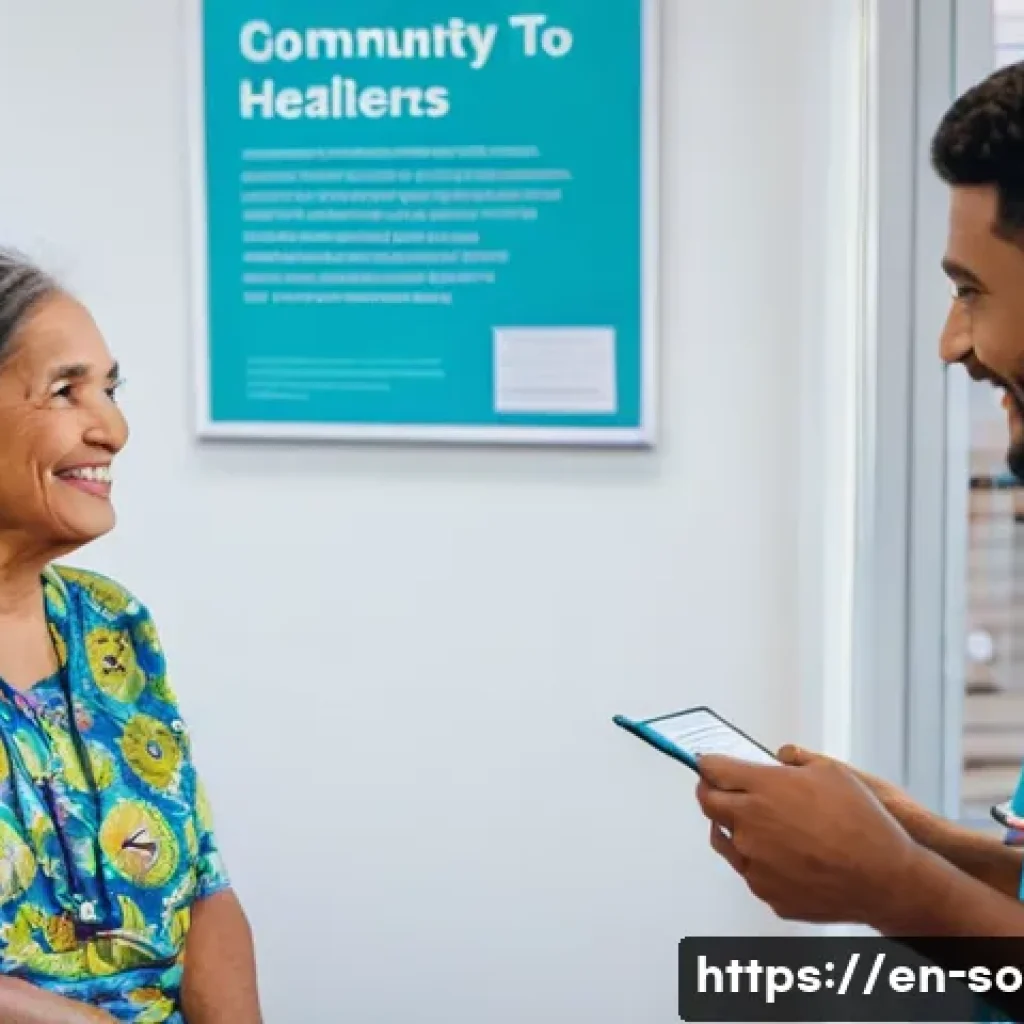
Understanding how society shapes health and healthcare is more important now than ever. Medical sociology dives into the complex relationships between social factors and medical practices, revealing how culture, inequality, and community impact well-being.
It offers valuable insights into why health disparities exist and how social environments influence patient experiences. By exploring these connections, we can better address public health challenges and improve healthcare delivery.
Let’s explore this fascinating field in detail and see how it affects our everyday lives!
Social Determinants and Their Impact on Health Outcomes
Understanding Social Determinants of Health
When we talk about health, it’s not just about biology or genetics. Social determinants—like income, education, neighborhood, and employment—play massive roles in shaping how healthy someone can be.
From my experience volunteering at community health clinics, I’ve seen firsthand how a person’s zip code often predicts their health outcomes more than their doctor’s advice.
These factors create a framework that either supports or hinders access to nutritious food, clean environments, and preventive care. It’s fascinating yet sobering to realize that two people with the same medical condition can have wildly different recovery chances simply because of their social circumstances.
How Inequality Creates Health Disparities
Inequality isn’t just about money—it trickles down into the healthcare system, affecting everything from treatment options to the quality of care received.
Marginalized groups often face systemic barriers, including discrimination and language obstacles, which make navigating healthcare a challenge. I remember a story of a friend whose elderly parent struggled to get proper care due to a lack of insurance and cultural misunderstandings at the hospital.
This isn’t unique; it reflects a broader pattern where social stratification directly influences health. Addressing these disparities means tackling deeply rooted social issues, not just medical symptoms.
Community and Social Support Networks
Community ties can be a powerful force in health maintenance and recovery. People embedded in strong social networks tend to have better mental health, more effective coping strategies, and even lower mortality rates.
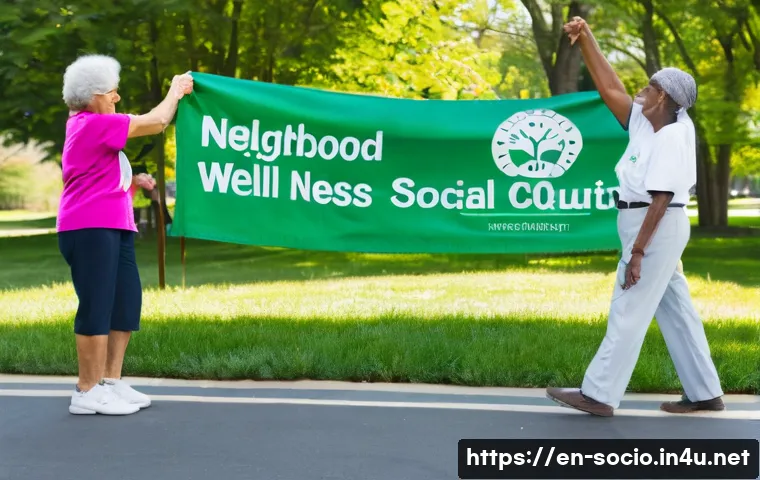
For example, I once participated in a neighborhood wellness program that paired older adults with local volunteers for companionship and assistance. The improvement in participants’ well-being was remarkable.
Social support reduces stress, encourages healthy behaviors, and can even influence how patients adhere to treatment plans. It’s clear that healthcare isn’t just an individual journey but a collective experience shaped by relationships.
Culture’s Role in Shaping Health Beliefs and Practices
Cultural Perceptions of Illness and Healing
Culture influences how people interpret symptoms, seek care, and comply with treatment. In some communities, traditional remedies are preferred or combined with Western medicine, affecting patient outcomes.
I’ve noticed in multicultural settings that understanding these beliefs is crucial for healthcare providers to build trust and offer effective interventions.
For instance, some cultures view mental illness through a spiritual lens, which can either facilitate or hinder seeking psychiatric help. Recognizing and respecting these perspectives enhances communication and health literacy.
Language Barriers and Healthcare Communication
Language can be a silent but formidable obstacle in healthcare. Miscommunication can lead to misdiagnosis, medication errors, and reduced patient satisfaction.
I’ve worked with interpreters in clinics where patients’ primary languages were not English, and it became clear that effective communication is more than just words—it’s about cultural nuance and empathy.
Healthcare systems that invest in multilingual staff and culturally competent care see better engagement and outcomes. Without this, patients may avoid care altogether or misunderstand crucial instructions.
Health Practices Influenced by Cultural Norms
Cultural norms dictate behaviors around diet, exercise, and preventive care. For example, dietary customs may affect nutritional health, while attitudes towards exercise differ widely across cultures.
I recall a public health campaign that failed initially because it didn’t consider local eating habits, leading to poor adoption. Tailoring health promotion to fit cultural contexts isn’t just respectful—it’s effective.
Healthcare providers who adapt recommendations to align with cultural values foster better adherence and long-term health improvements.
Healthcare Access and Structural Barriers
Economic Barriers to Care
Cost remains one of the biggest obstacles to healthcare access. Even with insurance, copays, deductibles, and non-covered services can deter people from seeking timely care.
From my experience working in urban health centers, many patients delay visits or skip medications because of financial strain. This leads to worsened conditions and higher emergency care usage.
Expanding affordable healthcare options and financial assistance programs is vital to breaking this cycle.
Geographic and Transportation Challenges
Living in rural or underserved urban areas often means fewer healthcare facilities and specialists. Transportation can become a daily hurdle, especially for older adults or those without reliable vehicles.
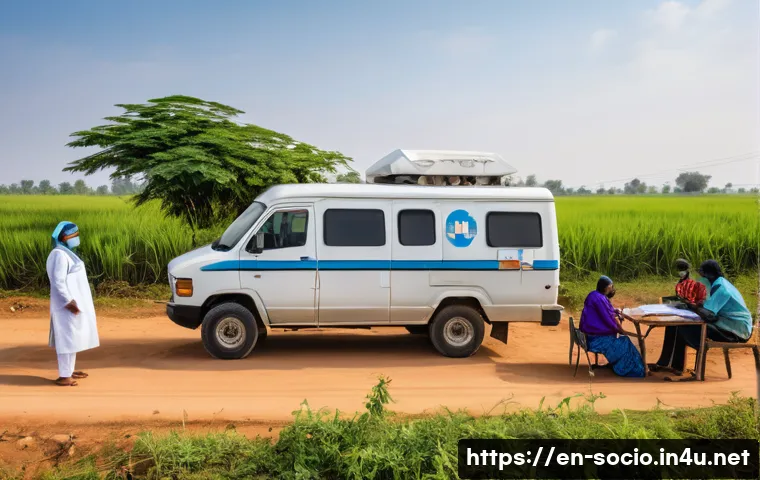
I once helped organize a mobile clinic in a remote area, and the difference it made was eye-opening. Overcoming these structural barriers requires creative solutions like telemedicine, mobile health units, and community-based clinics to bring care closer to those in need.
Insurance and Policy Implications
Navigating insurance policies can be confusing and frustrating, leading to gaps in coverage and care delays. Policy decisions at the local and national levels shape who gets access to what kind of healthcare.
I’ve seen how Medicaid expansions and community health initiatives improve access and outcomes, but the patchwork nature of insurance can leave many vulnerable.
Advocating for clearer policies and expanded coverage is essential to create a more equitable healthcare system.
Patient Experiences and Healthcare Interactions
Trust and Communication with Providers
Trust is the cornerstone of effective healthcare. Patients who feel heard and respected are more likely to share vital information and follow medical advice.
I remember a patient who initially avoided follow-ups due to a previous dismissive provider. Once connected with a doctor who took time to listen, their engagement and health dramatically improved.
Building this trust requires cultural competence, empathy, and time—something often limited in busy clinical settings but absolutely necessary.
Impact of Stigma and Discrimination
Stigma around certain conditions—like mental illness, HIV, or substance abuse—can prevent people from seeking help or disclosing symptoms. Discrimination based on race, gender, or socioeconomic status further complicates these experiences.
In one community health program I supported, participants reported feeling judged or misunderstood, which hindered their willingness to participate. Addressing stigma requires education, policy changes, and inclusive care models that validate patient identities and struggles.
Patient Empowerment and Health Literacy
Empowering patients through education and involvement in decision-making leads to better outcomes. When people understand their conditions and treatment options, they become active partners in their care.
I’ve seen how health literacy programs can transform patient confidence and adherence, especially in chronic disease management. Effective communication, easy-to-understand materials, and supportive environments enable patients to navigate the healthcare system more successfully.
Social Networks and Mental Health Connections
The Role of Social Support in Mental Well-being
Mental health is deeply intertwined with social connections. Strong networks can provide emotional support, reduce feelings of isolation, and promote resilience.
During the pandemic, the importance of social ties became even more evident as many struggled with loneliness and anxiety. From my own experience, maintaining regular contact with friends and family made a huge difference in coping with stress.
Healthcare providers increasingly recognize the need to integrate social factors into mental health care plans.
Community Resources and Mental Health Services
Access to community-based mental health services can bridge gaps left by traditional healthcare. Peer support groups, counseling centers, and outreach programs offer culturally sensitive and accessible care.
I volunteered at a mental health nonprofit where peer-led groups created a safe space for sharing and healing. These resources are essential, especially for populations facing stigma or systemic barriers to formal care.
Social Isolation as a Health Risk Factor
Social isolation isn’t just an emotional issue—it’s a significant health risk linked to increased mortality, cognitive decline, and chronic diseases. Older adults and people with disabilities are particularly vulnerable.
I’ve seen how community engagement programs, like senior centers and activity clubs, help reduce isolation and improve quality of life. Recognizing social isolation as a public health concern is crucial for developing comprehensive care strategies.
Health Policy and Community Health Initiatives
Influence of Public Policies on Health Equity
Public policies shape the distribution of resources, access to care, and overall health equity. Policies around housing, education, and labor directly impact health outcomes.
I followed a local initiative where changes in housing policy led to improved health indicators among low-income families. This intersectionality means that health cannot be separated from broader social policies.
Advocacy and informed policymaking are key to creating healthier communities.
Community Engagement in Health Programs
Successful health programs often involve community members in planning and implementation. This ensures cultural relevance and addresses specific local needs.
I participated in a community health assessment that gathered residents’ input to design targeted interventions. The program’s success underscored how community ownership boosts participation and sustainability.
Innovations in Addressing Social Determinants
Innovative approaches—like integrating social services into healthcare settings or using data analytics to identify at-risk populations—are transforming public health.
I recently observed a pilot project combining medical care with social support referrals, which significantly improved patient outcomes. Such models recognize that health is multifaceted and require cross-sector collaboration.
| Social Factor | Impact on Health | Example | Potential Intervention |
|---|---|---|---|
| Income Level | Determines access to nutritious food, medications, and care | Low-income individuals more likely to have chronic diseases | Sliding scale fees, financial assistance programs |
| Education | Influences health literacy and preventive behaviors | Higher education correlates with lower smoking rates | Community education initiatives |
| Neighborhood | Exposure to pollution, violence, and lack of resources | Urban areas with poor air quality see more asthma cases | Environmental regulations, urban renewal projects |
| Social Support | Emotional well-being and adherence to treatment | Strong networks reduce depression and improve recovery | Peer support groups, community centers |
| Cultural Beliefs | Affect health behaviors and acceptance of treatment | Traditional healing practices influencing care choices | Culturally competent healthcare training |
In Conclusion
Understanding social determinants is essential to improving health outcomes for everyone. These factors extend beyond medicine, shaping how people access care and maintain wellness. By addressing social, cultural, and structural barriers, we can move toward a more equitable healthcare system. Ultimately, health is a collective journey influenced by the communities and environments we live in.
Useful Information to Keep in Mind
1. Social determinants like income, education, and neighborhood significantly impact health beyond genetics or medical care.
2. Cultural beliefs and language differences affect how people perceive illness and engage with healthcare providers.
3. Economic challenges and geographic barriers often delay or prevent access to timely and adequate healthcare services.
4. Strong social support networks improve mental health, treatment adherence, and overall recovery rates.
5. Public policies and community involvement are crucial in addressing health disparities and promoting equitable access.
Key Takeaways
Health outcomes are deeply influenced by a combination of social, cultural, and economic factors that extend far beyond clinical treatment. Recognizing and addressing these determinants requires collaboration between healthcare providers, policymakers, and communities. Building trust, ensuring effective communication, and tailoring care to cultural contexts enhance patient engagement and health literacy. Overcoming structural barriers like cost and transportation is essential for improving access. Finally, integrating social support and community resources strengthens both physical and mental well-being, creating a foundation for lasting health equity.
Frequently Asked Questions (FAQ) 📖
Q: How do social factors influence individual health outcomes?
A: Social factors like income, education, and community support play a huge role in shaping health outcomes. For instance, people living in low-income neighborhoods often face limited access to healthy food, safe exercise spaces, and quality healthcare services.
This can lead to higher rates of chronic diseases like diabetes and heart conditions. From my experience, it’s clear that health isn’t just about biology—it’s deeply tied to where and how people live, their social connections, and the opportunities they have.
Q: Why do health disparities exist among different social groups?
A: Health disparities arise mainly because of unequal distribution of resources and systemic barriers. Minority groups or marginalized communities often encounter discrimination, reduced access to healthcare, and chronic stress, all of which contribute to poorer health outcomes.
I’ve seen studies and real-life stories showing how these factors create a cycle where disadvantaged groups struggle more with illnesses and receive lower quality care, making it essential to address social justice in healthcare policies.
Q: How can understanding medical sociology improve healthcare delivery?
A: Understanding medical sociology helps healthcare providers see beyond symptoms and consider patients’ social contexts, which improves communication and treatment effectiveness.
For example, knowing a patient’s cultural background or economic challenges can guide doctors to recommend more realistic and sustainable health plans.
Personally, I’ve noticed that when medical professionals incorporate social insights, patients feel more understood and are more likely to follow through with care, leading to better overall health outcomes.