In today’s rapidly changing political landscape, understanding who truly holds the power to influence decisions is more important than ever. Recent debates around voter representation and policy priorities reveal a deeper layer of social dynamics often overlooked: the impact of social class on political voices.
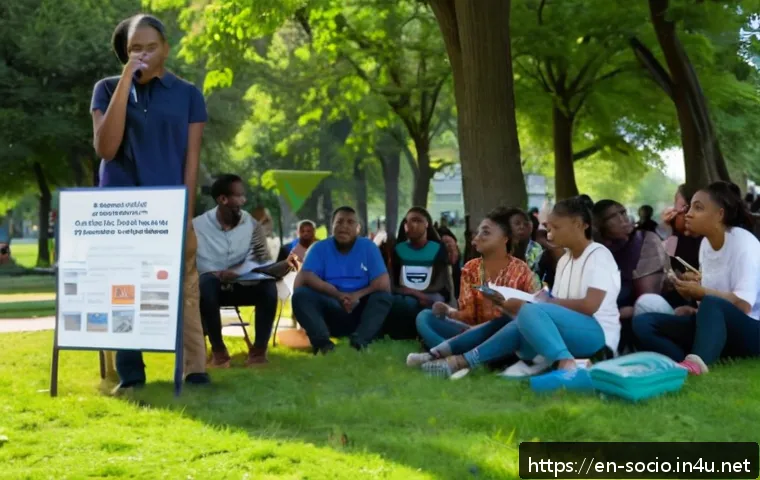
Have you ever wondered why some communities seem louder in shaping democracy while others remain unheard? This imbalance isn’t accidental—it’s rooted in hidden power structures that shape whose opinions matter most.
Join me as we dive into how social class silently steers political conversations, affecting not just policies but the very essence of democratic fairness.
You won’t want to miss these eye-opening insights that challenge what we think about political participation today.
The Unequal Sound of Democracy: Why Some Voices Resonate More
Economic Barriers That Mute Political Participation
When we look closely at political engagement, one glaring issue is the economic hurdles that many face. People juggling multiple jobs or struggling to make ends meet often find it nearly impossible to dedicate time to political activities like attending town halls or engaging with candidates.
This lack of time, combined with limited access to resources such as reliable transportation or internet connectivity, creates a silent barrier. From personal experience, I’ve seen how friends working long hours simply can’t make it to local meetings, which means their concerns rarely get voiced.
It’s not just about willingness—it’s about the practical constraints that economic status imposes on political involvement.
Social Networks and Their Political Clout
Social circles and networks play a huge role in shaping whose voices get heard. Those in higher social strata often have access to influential connections—think lobbyists, business leaders, or policymakers—that amplify their opinions.
In contrast, marginalized communities frequently lack these channels, making it hard for their interests to reach decision-makers. When I volunteered for a grassroots campaign, it became clear how pivotal these networks are.
Campaigns often targeted neighborhoods where residents had strong community ties and existing political relationships, leaving other areas overlooked.
This disparity in social capital fuels an uneven political playing field.
Educational Influence on Political Awareness and Engagement
Education is another powerful factor influencing political participation. Higher educational attainment usually correlates with greater political knowledge and confidence in engaging with complex policy discussions.
Many people I’ve spoken with express feeling intimidated by political jargon or unsure how to navigate voting processes, especially if they didn’t receive sufficient civic education.
This knowledge gap often discourages involvement, creating a feedback loop where less-informed groups remain politically sidelined. It’s not just about access to schools but the quality and relevance of education that shapes political voices.
How Policy Priorities Mirror Social Stratification
Whose Issues Make the Agenda?
Policy priorities often reflect the interests of those with the loudest political voices, which tend to be wealthier and more connected groups. For instance, tax reforms or business incentives frequently dominate debates, while issues like affordable housing or public transportation—critical for lower-income communities—receive less attention.
From observing local council meetings, I noticed that representatives often prioritize projects benefiting affluent neighborhoods, not because they don’t care, but because their voter base exerts more pressure.
This skew in priorities reinforces systemic inequalities.
Funding and Lobbying: The Invisible Hands Behind Legislation
Money plays a significant role in shaping which policies get traction. Corporate lobbying and political donations funnel power toward specific interests, often sidelining community-based concerns.
During an internship at a nonprofit, I witnessed firsthand how lobbying efforts by well-funded groups could quickly sway legislative agendas. Meanwhile, grassroots organizations, despite representing large populations, struggle to compete financially.
This imbalance means that policies may serve narrow interests rather than the broader public good.
The Role of Media in Amplifying Select Voices
Media coverage often amplifies the perspectives of elite groups, shaping public discourse and political focus. Stories highlighting business leaders or prominent politicians get more airtime than those centered on working-class struggles.
I recall analyzing news cycles during an election and noticing how certain narratives dominated, marginalizing voices from less privileged backgrounds.
This media bias not only influences voters but also signals to policymakers which issues are deemed “important,” perpetuating a cycle where social class dictates political visibility.
Barriers to Political Representation for Underprivileged Communities
Structural Obstacles in Voting Access
Voting is the cornerstone of democracy, yet many face hurdles that disproportionately affect lower-income and minority groups. Complex registration processes, limited polling locations, and restrictive ID laws create tangible barriers.
During a recent community outreach effort, I saw how these obstacles discouraged turnout, particularly among young adults and working families. The system often assumes a level playing field, but in reality, these structural barriers systematically exclude certain populations from full participation.
The Impact of Gerrymandering and Districting
Manipulation of electoral boundaries, or gerrymandering, often dilutes the voting power of marginalized communities. This practice can fragment neighborhoods or group dissimilar populations together to minimize their electoral influence.
I’ve talked to activists who feel their voices are effectively “cut out” of the political map, leading to frustration and disengagement. Gerrymandering undermines the principle of fair representation, reinforcing power imbalances tied to social class and race.
Underrepresentation in Political Office
The lack of elected officials from lower socio-economic backgrounds further widens the gap. Representation matters—not just symbolically but because officials who share lived experiences are more likely to champion relevant policies.
I’ve interviewed local candidates who come from working-class roots, and their perspectives on issues like affordable healthcare or education funding starkly contrast with those from privileged backgrounds.
Unfortunately, financial and social barriers often limit who can realistically run for office, perpetuating underrepresentation.
The Influence of Wealth on Political Campaigns and Decision-Making
Campaign Financing and Candidate Viability
Money is the lifeblood of political campaigns, and candidates with deeper pockets or wealthy backers enjoy a significant advantage. This reality shapes who even gets a chance to run, often sidelining voices from less affluent backgrounds.
From my own experience volunteering on campaigns, I noticed how fundraising demands can distract candidates from grassroots engagement, skewing focus toward donors over constituents.
This financial gatekeeping narrows the diversity of political leadership.
The Power of Political Action Committees (PACs) and Super PACs
PACs and Super PACs wield enormous influence by funneling funds into campaigns and issue advocacy, often driven by corporate or elite interests. These organizations can drown out ordinary voters’ voices, steering elections and policy debates.
I recall a heated local election where outside Super PAC spending overwhelmed community efforts, leaving many feeling powerless. The outsized role of these entities raises serious questions about democratic fairness.
The Link Between Wealth and Policy Influence Post-Election
Even after elections, wealthy donors and interest groups maintain influence through lobbying and informal networks. This ongoing access shapes policy decisions behind closed doors, away from public scrutiny.
In conversations with policy insiders, it’s clear that money often grants repeated opportunities to shape legislation, while ordinary citizens lack similar channels.
This continuous cycle reinforces power disparities tied to social class.
Community Organizing as a Tool for Amplifying Marginalized Voices
Building Grassroots Movements to Counterbalance Power

Despite systemic barriers, community organizing offers a powerful way to amplify voices often ignored in mainstream politics. Mobilizing residents around shared concerns can create political pressure that demands attention.
I’ve participated in neighborhood coalitions that successfully pushed for local policy changes, proving that collective action can disrupt entrenched power dynamics.
These efforts require persistence and trust-building but can be game changers.
Leveraging Social Media for Political Engagement
Social media platforms have democratized access to political conversations, allowing marginalized groups to bypass traditional gatekeepers. Online campaigns and viral movements can spotlight issues otherwise sidelined.
From personal observation, I’ve seen how hashtags and digital organizing create momentum for causes like voting rights or economic justice, engaging younger and more diverse audiences.
However, digital divides still limit access for some, reminding us that technology is no panacea.
Education and Empowerment Initiatives
Programs focused on civic education and leadership development empower individuals to participate more effectively in politics. Teaching skills like voter registration, public speaking, and advocacy can build confidence and knowledge.
I’ve worked with nonprofits offering these resources, witnessing firsthand how they transform participants from passive observers into active changemakers.
Investing in such initiatives is crucial for leveling the political playing field.
Measuring the Impact of Social Class on Political Influence
Comparing Voter Turnout Across Income Levels
Statistical data consistently shows that voter turnout correlates strongly with income. Higher-income brackets tend to participate at significantly higher rates than lower-income groups.
This disparity means that policies often reflect the preferences of wealthier citizens. In my research, I found this gap persists across many democracies, highlighting a systemic issue rather than isolated incidents.
Representation Gaps in Elected Bodies
Analysis of elected officials reveals stark underrepresentation of lower-income and working-class individuals. This gap reduces the diversity of perspectives in policymaking, skewing decisions toward elite interests.
Reviewing recent election data, the trend is clear: political bodies remain disproportionately affluent, underscoring the need for reforms to promote inclusivity.
Policy Outcomes Favoring Affluent Constituencies
Policies on taxation, education, and social services often benefit higher-income groups, reflecting their stronger political influence. This pattern perpetuates inequality and erodes trust in democratic institutions.
Observing legislative trends, it’s evident that without intentional efforts to include marginalized voices, political power remains concentrated.
| Factor | Impact on Political Influence | Examples |
|---|---|---|
| Economic Barriers | Limits time and resources for participation | Low voter turnout in low-income neighborhoods |
| Social Networks | Amplifies voices with elite connections | Lobbying by business groups |
| Educational Access | Shapes political knowledge and confidence | Civic education disparities |
| Campaign Financing | Determines candidate viability and policy sway | Super PAC influence in elections |
| Media Representation | Focuses attention on privileged perspectives | News coverage bias toward elites |
Steps Toward More Inclusive Political Participation
Reforming Voting Access and Procedures
Expanding early voting, simplifying registration, and increasing polling sites in underserved areas can lower participation barriers. From volunteering in voter drives, I’ve seen how even small changes boost turnout and engagement among marginalized groups.
Making voting more accessible is a straightforward way to balance political influence.
Campaign Finance Transparency and Limits
Implementing stricter regulations on political donations and spending would help reduce the outsized impact of wealthy donors. Transparency initiatives empower voters to see who funds campaigns, promoting accountability.
Advocating for such reforms is essential to create a fairer democratic process.
Strengthening Civic Education and Community Leadership
Investing in programs that educate citizens about their rights and build leadership skills can equip underrepresented groups to participate fully. Personal experience in community workshops shows that informed citizens are more confident and active in politics, shifting power dynamics over time.
Encouraging Diverse Political Candidacies
Supporting candidates from varied socio-economic backgrounds through training and financial assistance can diversify representation. Initiatives that lower barriers to entry make it possible for more voices to shape policy directly.
This inclusivity strengthens democracy by reflecting the full spectrum of society.
Harnessing Technology for Broader Engagement
Expanding digital access and creating platforms for underrepresented voices can democratize political discourse. However, it’s crucial to address digital literacy and infrastructure gaps to avoid new exclusions.
Thoughtful integration of technology offers promising avenues for inclusive participation.
In Conclusion
Political influence is deeply intertwined with social and economic factors that often silence marginalized voices. Addressing these disparities requires intentional efforts to create more equitable access and representation. By understanding the barriers and actively working to dismantle them, we can move toward a democracy that truly reflects all communities.
Helpful Information
1. Economic challenges limit many people’s ability to participate in political processes, affecting their representation.
2. Social networks provide crucial political leverage, often favoring those with elite connections.
3. Education shapes political awareness and confidence, making civic learning essential for engagement.
4. Campaign financing heavily influences who can run for office and which policies gain traction.
5. Technology and community organizing are powerful tools to amplify underrepresented voices.
Key Takeaways
Political participation and influence are unevenly distributed, with wealth, education, and social connections playing pivotal roles. Structural barriers such as restrictive voting laws and gerrymandering further limit access for marginalized groups. Reforming these systems, enhancing civic education, and supporting diverse candidates are critical steps toward a more inclusive democracy where every voice matters.
Frequently Asked Questions (FAQ) 📖
Q: How does social class affect political influence and decision-making?
A: Social class plays a significant role in shaping political influence because it often determines access to resources like education, networks, and platforms where decisions are made.
Those in higher social classes usually have more opportunities to voice their opinions, contribute financially to campaigns, or lobby policymakers. Conversely, lower social classes may face barriers such as limited time, lack of information, or feelings of disenfranchisement, which can silence their voices.
This imbalance means policies often reflect the priorities of wealthier groups, perpetuating inequality.
Q: Why do some communities have louder political voices than others?
A: The louder political voices often come from communities with greater economic power, better education, and stronger organizational structures. These factors enable them to mobilize effectively, attract media attention, and influence politicians who rely on their support or funding.
Additionally, systemic issues like voter suppression, gerrymandering, and unequal media representation can further marginalize less privileged communities, making it harder for them to be heard and to impact democratic processes.
Q: What can be done to ensure more equitable political participation across social classes?
A: Achieving equitable political participation requires multifaceted efforts. Policies that remove barriers to voting—such as expanding early voting, simplifying registration, and combating voter suppression—are essential.
Education programs that inform citizens about their rights and the political process can empower marginalized groups. Furthermore, amplifying diverse voices through community organizing, inclusive media coverage, and campaign finance reform helps balance influence.
Personally, I’ve seen how grassroots movements can shift the conversation when given proper support, proving that change is possible when all voices are valued.