In today’s interconnected world, social risks and disaster response have become more critical than ever. From natural catastrophes to technological failures and public health crises, the ability to prepare for and react swiftly can save countless lives.
Communities that understand these challenges tend to recover faster and more effectively. But what exactly goes into managing these complex situations?
Let’s dive deeper and explore the key strategies and insights that make disaster response truly effective. I’ll break it all down for you in the following sections!
Building Community Resilience Through Preparedness
Understanding Local Vulnerabilities
When you look at any community, it’s clear that no two places face the exact same risks. For instance, a coastal city might worry about hurricanes or flooding, while a mountainous town could be more concerned with landslides or wildfires.
I’ve seen firsthand how communities that take the time to identify their unique vulnerabilities are better positioned to allocate resources effectively.
This proactive approach means that when disaster strikes, they’re not scrambling blindly but are instead acting with a clear plan. It’s like knowing your neighborhood’s weak spots before a storm hits, so you can reinforce them ahead of time.
Developing Comprehensive Emergency Plans
Emergency plans aren’t just about having a checklist; they’re about creating a living document that adapts as situations evolve. From my experience volunteering with local emergency services, the most successful plans are those that involve community input and regularly update based on new information or past incidents.
These plans cover everything from evacuation routes and communication methods to resource stockpiling and shelter locations. When everyone knows their role and the plan is practiced often, the entire community moves as one unit, dramatically improving response times and outcomes.
Community Training and Education Initiatives
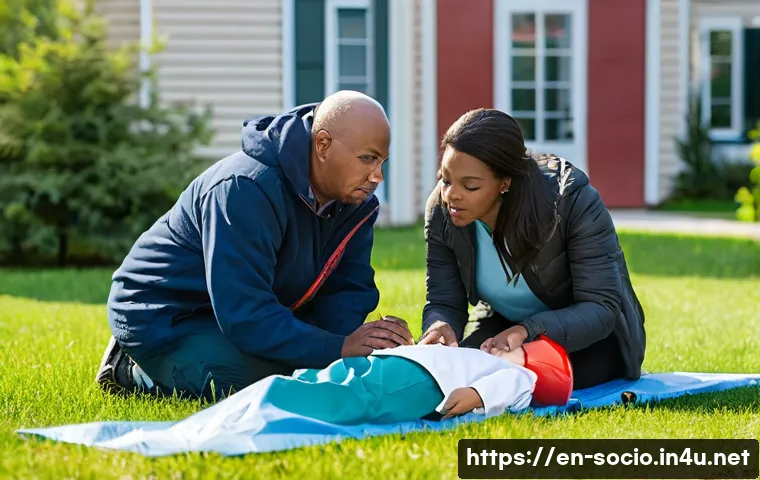
One thing I’ve noticed is that communities investing in ongoing training and education see a noticeable difference in disaster response. Workshops on first aid, CPR, and even basic firefighting skills empower residents to act confidently when seconds count.
Schools, workplaces, and public venues that conduct regular drills create a culture of readiness. Plus, these initiatives build trust and social cohesion — neighbors look out for each other rather than waiting for official responders alone.
This shared responsibility fosters a stronger, more resilient community fabric.
Leveraging Technology for Early Warning and Communication
Advanced Monitoring Systems
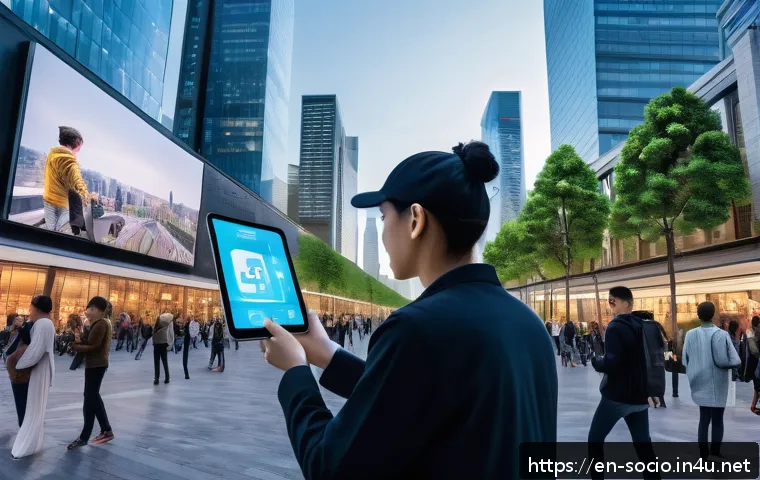
Technology has come a long way in helping communities anticipate disasters. I recall reading about how sensor networks detect seismic activity or rising river levels, sending alerts in real-time.
These systems can provide precious minutes or even hours of warning before a disaster unfolds, allowing people to evacuate or take protective measures.
However, technology alone isn’t a silver bullet; it must be integrated with human decision-making and local knowledge to be effective.
Effective Use of Social Media and Mobile Alerts
During emergencies, social media platforms and mobile alert systems have become invaluable. I’ve personally seen how local authorities use Twitter, Facebook, or dedicated apps to share updates, safety tips, and instructions quickly.
The immediacy and broad reach of these tools help cut through misinformation and keep people calm. Yet, it’s crucial to maintain clear, consistent messaging to avoid confusion, which sometimes means training officials in digital communication strategies.
Challenges in Technology Access and Inclusion
While technology offers many advantages, not everyone has equal access or digital literacy. In some neighborhoods, older adults or low-income families might lack smartphones or reliable internet.
Recognizing this gap, I’ve seen successful programs that combine tech alerts with traditional methods like sirens, community bulletin boards, or door-to-door notifications.
Ensuring inclusivity means no one is left in the dark when disaster strikes.
Coordinating Multi-Agency Response Efforts
Inter-Agency Collaboration and Communication
A disaster response often involves numerous agencies—fire departments, police, public health, NGOs, and government bodies. From my experience attending emergency coordination meetings, the biggest hurdle is always communication.
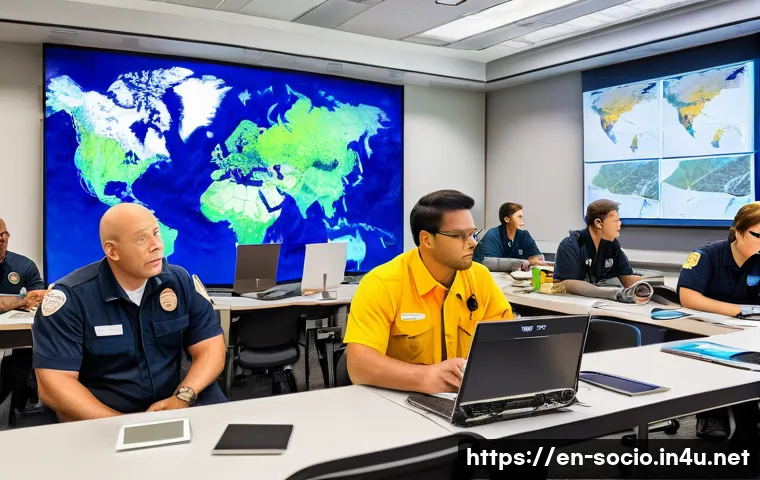
Agencies sometimes operate on different systems or protocols, which can slow down decision-making. Establishing unified command centers and interoperable communication tools is vital.
When agencies work seamlessly, the response is faster and more effective.
Role of Non-Governmental Organizations (NGOs)
NGOs often fill crucial gaps, especially in large-scale disasters. I’ve volunteered with organizations that provide food, shelter, and psychological support, which are just as important as physical rescue.
NGOs also bring specialized expertise and flexibility that government bodies may lack. Coordinating their efforts with official responders ensures resources are maximized and duplication avoided, ultimately benefiting affected populations.
Training Joint Exercises and Simulations
Practicing together is the only way to iron out wrinkles in multi-agency cooperation. I’ve participated in tabletop exercises and full-scale drills where various groups simulate disaster scenarios.
These rehearsals expose communication breakdowns or logistical challenges before a real crisis hits. Agencies can then revise protocols, improving readiness and trust.
The more realistic and frequent these exercises, the smoother the real response becomes.
Addressing Psychological and Social Impacts
Recognizing Trauma and Stress
Disasters don’t just damage infrastructure; they leave emotional scars too. From my conversations with survivors, the psychological toll can be overwhelming—fear, anxiety, grief, and sometimes lasting trauma.
Emergency responders who understand these effects can provide critical support, reducing long-term mental health issues. Incorporating mental health professionals into response teams has made a noticeable difference in helping people cope and recover.
Community Support Networks
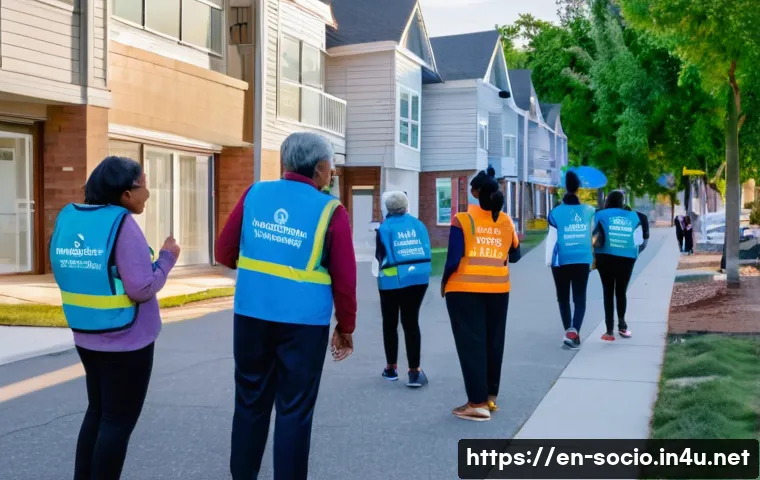
Strong social networks act like a safety net during and after disasters. I’ve seen neighborhoods where neighbors check on each other, share resources, and provide emotional support, which accelerates healing.
Local faith groups, clubs, and volunteer organizations often become pillars of strength. Encouraging these networks before disasters happen ensures there’s a foundation of trust and mutual aid ready to activate.
Communication Strategies for Vulnerable Populations
Effective communication must consider language barriers, disabilities, and cultural differences. I recall an emergency where multilingual materials and sign language interpreters were crucial for reaching all residents.
Tailoring messages to specific groups ensures everyone understands what’s happening and how to stay safe. This inclusivity strengthens community-wide resilience.
Resource Management and Logistics in Crisis
Efficient Supply Chain Coordination
Managing supplies like food, water, medical equipment, and shelter materials is a massive logistical challenge during disasters. I’ve observed that communities with pre-established agreements with suppliers and clear inventory systems avoid shortages and delays.
Real-time tracking tools help monitor stock levels and distribute resources where they’re needed most, preventing waste and bottlenecks.
Volunteer Mobilization and Management
Volunteers are often the backbone of disaster relief efforts, but coordinating them requires careful planning. From my volunteer coordination experience, assigning clear roles, providing training, and ensuring safety protocols are followed is key.
Well-organized volunteer efforts increase capacity without adding confusion or risk.
Funding and Financial Oversight
Money matters in disaster response, and transparency is critical. I’ve seen cases where mismanagement led to delays or public mistrust. Communities that maintain clear budgets, track expenditures, and report back to stakeholders build confidence and secure ongoing support.
Fundraising campaigns and partnerships with private donors also play a vital role in sustaining efforts.
Continuous Improvement Through After-Action Reviews
Learning From Past Incidents
Reflection is essential. After a disaster, conducting thorough reviews helps identify what worked and what didn’t. I’ve been part of debriefings where honest feedback led to improved protocols and better resource allocation.
This culture of learning prevents repeating mistakes and enhances future responses.
Community Engagement in Evaluation
Including affected residents in after-action reviews provides valuable perspectives. When people share their experiences and suggestions, planners get a clearer picture of on-the-ground realities.
This participatory approach builds trust and ensures improvements reflect actual needs.
Incorporating Innovations and Best Practices
Disaster response evolves with new technologies, research, and methodologies. I’ve witnessed how integrating innovations like drone surveillance or AI-based data analysis can transform operations.
Staying open to change and continuously seeking best practices keeps communities ahead of emerging risks.
| Aspect | Key Focus | Practical Examples | Impact on Response |
|---|---|---|---|
| Community Preparedness | Vulnerability assessment, emergency plans, training | Evacuation drills, first aid workshops | Faster mobilization, reduced panic |
| Technology Use | Monitoring, alerts, communication platforms | Seismic sensors, social media updates | Early warnings, broad information reach |
| Multi-Agency Coordination | Unified command, NGO collaboration, joint exercises | Communication protocols, simulated drills | Streamlined operations, resource optimization |
| Psychosocial Support | Trauma recognition, community networks, inclusive communication | Mental health teams, multilingual alerts | Improved recovery, reduced long-term impact |
| Logistics Management | Supply chains, volunteer coordination, financial oversight | Inventory systems, role assignments, transparent budgets | Efficient resource distribution, sustained efforts |
| Continuous Improvement | After-action reviews, community input, innovation adoption | Debriefings, feedback sessions, tech integration | Enhanced readiness, adaptive strategies |
글을 마치며
Building resilient communities is a continuous journey that demands preparation, collaboration, and adaptability. By understanding local risks, leveraging technology, and fostering strong social networks, communities can face disasters with greater confidence and efficiency. The shared commitment of individuals, organizations, and agencies is what truly strengthens our collective ability to respond and recover. Staying proactive and learning from each experience ensures that resilience grows stronger over time.
알아두면 쓸모 있는 정보
1. Regularly updating emergency plans with community input keeps response efforts relevant and effective.
2. Technology can save lives, but combining it with traditional communication methods ensures inclusivity for all residents.
3. Joint training exercises between agencies and volunteers reveal gaps early, improving real-life disaster coordination.
4. Addressing mental health and social support during crises helps communities heal faster and prevents long-term trauma.
5. Transparent financial management and resource tracking build public trust and sustain disaster response initiatives.
중요 사항 정리
Effective community resilience relies on tailored preparedness that reflects local vulnerabilities and active participation from all sectors. Integrating modern technology with accessible communication methods ensures timely alerts reach everyone. Collaboration among multiple agencies, NGOs, and volunteers enhances operational efficiency, while attention to psychological well-being strengthens social bonds. Continuous learning through after-action reviews and embracing innovation keeps communities adaptive and ready for future challenges.
Frequently Asked Questions (FAQ) 📖
Q: What are the most important steps communities should take to prepare for disasters?
A: Preparation starts with understanding the specific risks your community faces—whether it’s hurricanes, wildfires, or technological failures. Creating detailed emergency plans that include evacuation routes, communication strategies, and resource allocation is crucial.
I’ve seen firsthand how communities that conduct regular drills and educate residents about these plans tend to respond more calmly and efficiently when disaster strikes.
Investing in early warning systems and fostering partnerships between local authorities, emergency services, and citizens can make a huge difference in saving lives and minimizing damage.
Q: How can technology improve disaster response efforts?
A: Technology plays a vital role in enhancing disaster response by enabling faster communication and better resource management. Tools like real-time satellite imagery, drones, and AI-powered analytics help responders assess damage quickly and prioritize aid.
From personal experience volunteering during floods, I noticed that mobile apps that send alerts and allow people to report their status dramatically improve situational awareness.
However, technology alone isn’t enough; it needs to be integrated into a broader, well-coordinated response plan to be truly effective.
Q: What challenges do responders face during large-scale disasters, and how can they be overcome?
A: Large-scale disasters often overwhelm local resources, create communication breakdowns, and complicate coordination among multiple agencies. One major challenge is ensuring timely and accurate information flow amid chaos.
I’ve observed that establishing clear leadership roles and communication protocols before a disaster helps mitigate confusion. Additionally, training responders to adapt quickly and empowering communities to support themselves during the initial hours can ease pressure on emergency teams.
Building resilience at every level—individual, community, and institutional—is key to overcoming these hurdles.