Ever wondered why certain trends catch fire, or how our digital lives are shaping who we are becoming? As someone deeply fascinated by the intricate dance between people and their shared worlds, I’ve found myself increasingly drawn to cultural sociology.
It’s more than just an academic field; it’s the lens through which we can truly grasp the pulse of modern society, from the subtle nuances of identity formation to the massive shifts brought by globalization.
We’re talking about everything from the latest TikTok dances influencing global youth to the profound ways our collective memories shape national narratives.
This isn’t just theory; it’s about understanding *us*, right now, and peering into what our future collective experiences might look like. If you’re anything like me, you’ll find that once you start seeing the world through this cultural lens, you simply can’t unsee it.
It makes you think about why we do what we do, and what’s really driving the big changes around us, especially with the rise of AI and evolving social justice movements.
It’s truly eye-opening! Hey there, fellow explorers of the human experience! Have you ever paused to think about why we, as a society, act the way we do, or what truly shapes our beliefs and daily lives?
I know I have, countless times. It’s a question that often pops into my head when I see new slang taking over the internet or witness a massive shift in how we approach work-life balance.
That’s exactly where cultural sociology steps in, offering us some truly mind-blowing insights into the invisible threads that weave our social fabric together.
It helps us understand everything from our identities to our collective responses to global challenges. Trust me, once you start digging into this, your perspective on the world around you will totally transform!
Let’s dive in and accurately explore this fascinating subject together.
The Unseen Architects of Our World
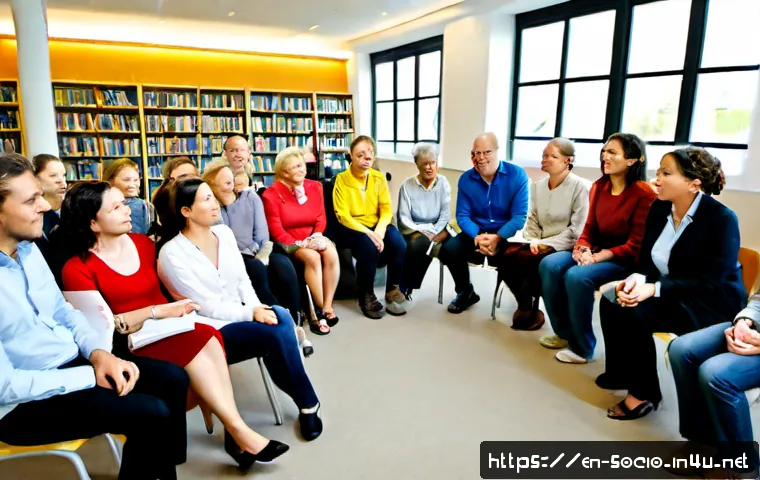
Have you ever stopped to consider why we, as a collective, gravitate towards certain ideas, fashions, or even ways of thinking? It’s a question I’ve wrestled with for years, and what I’ve discovered is that our world isn’t just shaped by big events or powerful individuals; it’s meticulously crafted by an intricate web of shared beliefs, values, and practices that often operate beneath our conscious awareness. Think about it: why do some phrases catch on like wildfire across social media, becoming part of our everyday vocabulary, while others fizzle out? It’s rarely a simple accident. From the way we celebrate holidays to the unspoken rules that govern our workplaces, these cultural ‘blueprints’ dictate so much of our behavior and interaction. Understanding these unseen forces, for me, has been like finding the secret code to understanding human society. It helps explain why we queue patiently (most of the time!), or why a certain brand’s ethos resonates so deeply with millions. We’re all part of this grand, ongoing cultural conversation, and acknowledging its influence allows us to navigate our social landscapes with so much more insight and, frankly, a lot less confusion. It’s truly fascinating how these subtle currents can guide the mighty rivers of our collective experience, sometimes without us even realizing we’re sailing along with them.
Decoding Our Daily Rituals
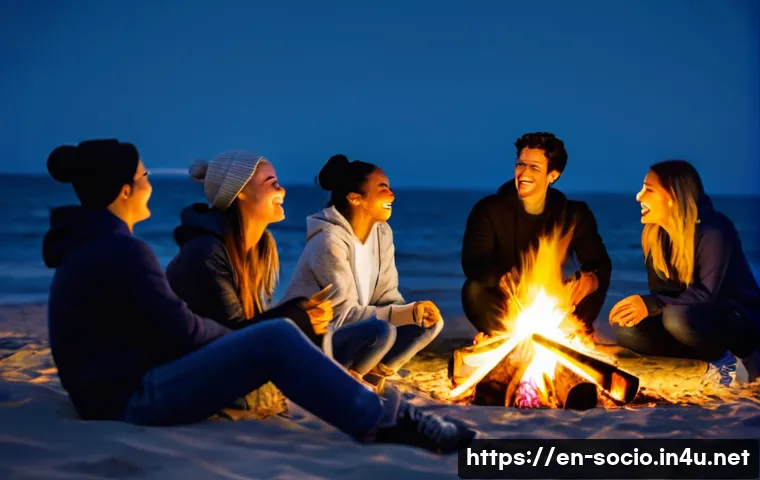
It’s easy to dismiss our daily routines as mundane, but I’ve found that even the smallest rituals hold immense cultural weight. From our morning coffee habits to how we greet strangers, these seemingly insignificant actions are deeply embedded with cultural meaning. Take, for instance, the simple act of saying “please” and “thank you.” While seemingly basic manners, they reflect a profound cultural value placed on politeness and mutual respect in many English-speaking societies. Or consider the Friday night tradition of gathering with friends or family – it’s more than just a social call; it’s a cultural ritual that reinforces community bonds and provides a collective sigh of relief after a long week. When I first started paying attention to these little things, I realized just how much they contribute to our sense of belonging and predictability. It’s like a secret language we all speak, subtly confirming our membership in various groups. Missing these cues, or acting outside of them, can often feel jarring, which really highlights their powerful, albeit often invisible, role in our social lives. It’s a constant reminder that culture isn’t just about grand gestures; it’s woven into the very fabric of our everyday existence, giving shape and meaning to our smallest interactions.
The Power of Shared Beliefs and Values
Beyond rituals, our collective consciousness is profoundly shaped by shared beliefs and values – the moral compass and guiding stars of our cultural identity. These aren’t always explicitly stated; often, they’re absorbed through osmosis, through the stories we hear, the media we consume, and the conversations we have. Think about the enduring belief in individualism in many Western societies, which champions personal freedom and self-reliance. This value influences everything from our political systems to our economic aspirations and even how we raise our children. I’ve personally observed how this manifests in career choices, where the pursuit of a “dream job” often trumps security, reflecting a deep-seated cultural reverence for personal fulfillment. Similarly, the value placed on fairness and equality drives countless social movements and legal reforms. These bedrock principles, whether we consciously acknowledge them or not, fundamentally dictate what we deem acceptable, desirable, or even heroic. It’s incredibly powerful to realize that these abstract concepts are not just academic theories but living forces that steer the entire ship of society, influencing our laws, our art, and our very understanding of what it means to lead a good life.
Navigating the Currents of Identity
Our sense of self isn’t a static thing, is it? It’s constantly being shaped and reshaped by the cultural waters we swim in. I’ve often thought about how much of who I am is a reflection of the trends I’ve followed, the communities I’ve joined, and the stories I’ve been told. From the clothes we choose to the music we listen to, these cultural markers aren’t just superficial preferences; they’re vital tools we use to signal our identity to the world and, perhaps more importantly, to ourselves. It’s a dynamic interplay: culture provides the palette, and we, as individuals, paint our unique self-portraits. This process is particularly evident in the younger generations, where digital platforms create endless opportunities for self-expression and identity experimentation. I’ve seen firsthand how a niche online community can become a cornerstone of someone’s identity, providing a sense of belonging that might not be found offline. It’s a continuous negotiation, a dance between what society expects of us and who we truly feel ourselves to be, all mediated by the rich tapestry of cultural options available.
Trends as Identity Markers
In today’s fast-paced world, trends are more than just fleeting fads; they’re powerful identity markers that allow us to align ourselves with certain groups, express our values, and even challenge existing norms. Whether it’s a particular fashion style, a dietary choice, or even a specific way of speaking, embracing a trend can be a declaration of belonging. I remember seeing the rise of certain aesthetic movements on social media, like “cottagecore” or “dark academia,” and noticing how people passionately adopted these styles not just in their clothing, but in their entire lifestyle choices, from home decor to hobbies. This wasn’t just about liking a look; it was about identifying with a set of values – perhaps a yearning for simplicity, a love for literature, or a rejection of consumerism. For me, observing these shifts has been incredibly insightful, demonstrating how trends provide a tangible way for individuals to carve out their unique space within the broader cultural landscape. It’s like a silent conversation we have with the world, telling it who we are and what we stand for, often without uttering a single word.
The Digital Mirror: Shaping Our Online Selves
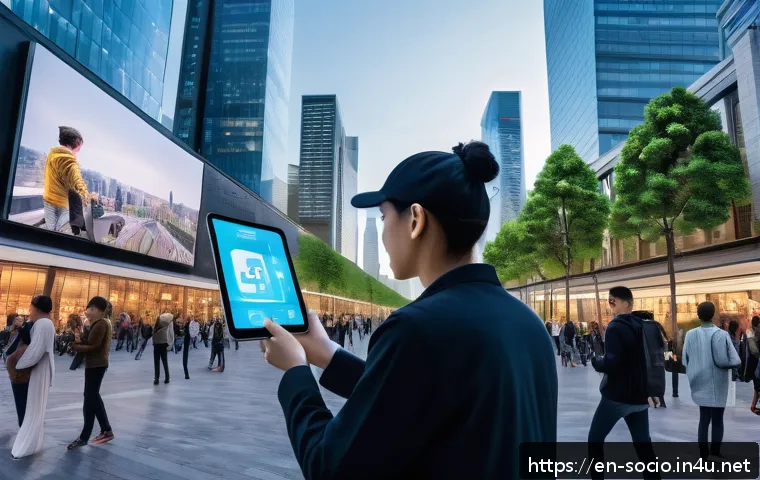
It’s undeniable that the digital realm has become an incredibly potent force in shaping our identities. Our online presence, from carefully curated Instagram feeds to our chosen avatars in virtual worlds, is a reflection, and often a construction, of who we want to be. I often wonder about the psychological impact of living so much of our lives through a ‘digital mirror.’ We get instant feedback – likes, shares, comments – which can profoundly influence our self-perception. I’ve noticed how people meticulously craft their online personas, selecting specific filters, captions, and even emojis to convey a particular image or emotion. This isn’t necessarily about deception; it’s about navigating a new social terrain where identity is fluid and constantly negotiable. The boundaries between our “real” selves and our “digital” selves have blurred, creating fascinating new opportunities for connection and self-discovery, but also new pressures to conform to idealized versions of ourselves. It truly makes you think about the curated narratives we all present, and how those narratives, in turn, influence the culture around us.
The Evolving Language of Our Connections
Language is so much more than just a means of communication, isn’t it? It’s a living, breathing artifact of our culture, constantly shifting and evolving with us. I’ve always been fascinated by how new words and phrases emerge, particularly in the digital age, and how quickly they become ingrained in our collective lexicon. Slang, memes, and even new grammatical structures don’t just appear out of nowhere; they’re born from specific cultural contexts, reflecting our current preoccupations, humor, and anxieties. Think about how quickly terms like “ghosting,” “FOMO,” or “spill the tea” became universally understood. These weren’t in dictionaries a decade ago, but now they’re part of everyday conversation, especially among younger generations. This constant linguistic innovation highlights how intertwined language is with our social fabric, acting as both a mirror reflecting our changing times and a tool for shaping future interactions. It’s a vibrant, ever-changing landscape, and watching it evolve gives us a real-time glimpse into the heart of our culture.
Slang as a Cultural Barometer
Slang, to me, is one of the most exciting indicators of cultural shifts. It’s not just lazy speech; it’s often incredibly creative, efficient, and deeply reflective of a particular group’s values, experiences, and insider knowledge. When I hear new slang terms emerge, especially from specific subcultures or online communities, I see them as tiny cultural thermometers, telling us about the prevailing temperatures of social interaction and identity. For instance, the proliferation of terms related to mental health or self-care, like “self-care Sunday” or “burnout,” isn’t just about new words; it signals a broader cultural acknowledgement and prioritization of well-being, which wasn’t always as openly discussed. Similarly, the rapid adoption of internet slang across different age groups shows how digital culture is increasingly influencing mainstream communication. It’s a dynamic process where language acts as a powerful bonding agent, creating a shared code that reinforces group identity and subtly informs outsiders of cultural nuances. I often find myself trying to keep up, not just for fun, but to genuinely understand the pulse of evolving social connections.
Memes: The New Folklores of Our Time
If you want to understand modern culture, you simply cannot ignore memes. For me, they’ve become the contemporary equivalent of folklore – bite-sized, culturally relevant narratives that spread like wildfire, conveying complex ideas, humor, and social commentary in an instant. They’re often inside jokes, requiring a certain level of cultural literacy to fully grasp, which makes them incredibly powerful tools for group cohesion and identity. I’ve observed how a single image or phrase, when memed, can encapsulate a universal feeling or a shared frustration, making millions feel seen and understood. Think about how memes have been used during political campaigns, social movements, or even just to express the mundane realities of daily life. They cross linguistic barriers, creating a global visual shorthand for shared experiences. It’s fascinating how something so seemingly trivial can hold such immense cultural power, shaping our collective humor, perspectives, and even influencing public discourse. Memes are truly a testament to our innate human need to share stories and connect, just in a distinctly 21st-century format.
From Niche to Mainstream: The Globalization of Culture
It’s truly incredible how rapidly cultural phenomena can traverse the globe these days, isn’t it? What starts as a niche trend in one corner of the world can, almost overnight, become a mainstream sensation on another continent. This globalization of culture, driven largely by digital platforms, has reshaped how we experience art, music, fashion, and even social movements. I’ve personally watched genres of music, like K-pop or Afrobeats, grow from regional popularity to global dominance, captivating audiences far beyond their countries of origin. This isn’t just about entertainment; it’s about a deeper cultural exchange where ideas, values, and aesthetics mingle and merge in unprecedented ways. It’s a testament to our interconnectedness, but it also raises interesting questions about cultural appropriation versus appreciation. For me, it highlights the porous boundaries of modern culture, demonstrating that what was once “foreign” can quickly become a part of our shared global experience, shaping our collective tastes and understanding of the world.
The Digital Melting Pot
The internet, without a doubt, has created a truly unprecedented digital melting pot where cultures collide, blend, and create entirely new forms of expression. Social media platforms, streaming services, and online communities have democratized access to global culture in a way that was unimaginable just a few decades ago. I’ve seen how a local dance challenge on TikTok can inspire millions worldwide, or how an independent film from a remote country can find a global audience on a streaming platform. This constant exposure to diverse perspectives and creative outputs means that our cultural tastes are no longer limited by geography. We can appreciate art from Tokyo, music from Lagos, and fashion from Paris, all within minutes. It’s a beautiful, messy, and exhilarating process that broadens our horizons and challenges our preconceived notions. For someone who loves exploring how people connect, this digital melting pot is a constant source of wonder, showing us that cultural exchange is now truly a two-way street, with everyone contributing to the global tapestry.
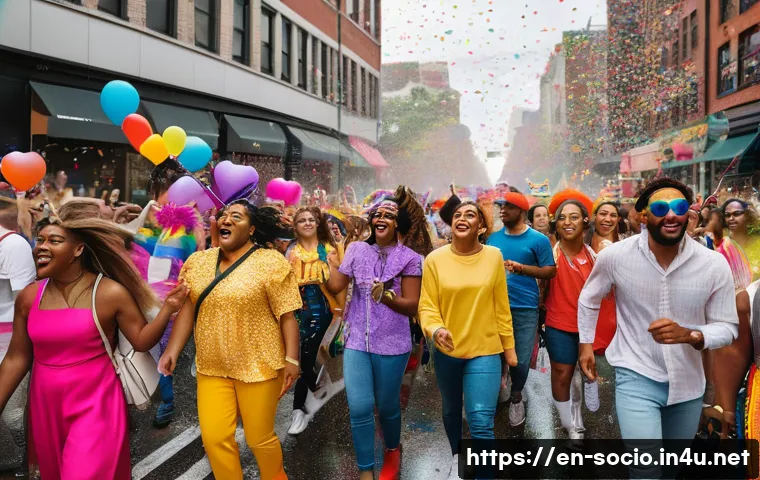
Navigating Cultural Crossover
With this rapid globalization comes the fascinating, yet sometimes complex, phenomenon of cultural crossover. It’s the point where different cultural elements meet, influence each other, and sometimes, blend into something new. I’ve often pondered the fine line between genuine cultural exchange and unintentional appropriation. When Western artists incorporate elements of Eastern music, or when traditional motifs appear in contemporary fashion, the intent and execution truly matter. It’s about respect, understanding, and giving credit where credit is due. On the flip side, conscious and respectful cultural crossover can lead to incredible innovation and mutual enrichment. Think about fusion cuisine that brings together flavors from disparate traditions to create something entirely novel and delicious. It’s a delicate dance, requiring sensitivity and an open mind, but when done right, it pushes the boundaries of creativity and fosters a deeper appreciation for our shared human ingenuity. It’s a space where understanding cultural nuance becomes not just important, but absolutely essential.
| Cultural Element | Societal Role & Impact | Personal Experience/Observation |
|---|---|---|
| Shared Narratives (e.g., origin stories, historical accounts) | Forms collective identity, transmits values, legitimizes institutions. | Watching how national holidays reinforce certain historical interpretations and foster a sense of shared belonging. |
| Fashion & Aesthetics | Expresses individual and group identity, signals social status, reflects prevailing values (e.g., sustainability). | Noticing how different clothing styles on campus indicate membership in various social groups or subcultures. |
| Digital Trends (e.g., viral challenges, memes) | Facilitates rapid cultural diffusion, shapes online communication, creates temporary communities. | Participating in a viral trend and feeling that momentary connection with millions of strangers worldwide. |
| Cuisine & Food Habits | Reinforces family bonds, signifies cultural heritage, influences health and social interactions. | Sharing a traditional family meal and feeling the deep connection to my heritage through the flavors and stories. |
| Popular Music & Art | Reflects societal mood, influences youth culture, provides outlets for emotional expression and social commentary. | Discovering new artists from different countries and seeing how their music resonates with universal human emotions, despite cultural differences. |
The Echoes of History in Our Present
It’s easy to think of history as something confined to dusty textbooks, but I’ve come to realize that our collective past is constantly echoing in our present, shaping our decisions, our institutions, and even our emotional responses. Collective memory isn’t just a passive recollection of events; it’s a dynamic, socially constructed narrative that helps us make sense of who we are as a community, a nation, or even a global society. Think about how historical anniversaries are commemorated, or how certain historical figures are revered (or re-evaluated) in public discourse. These acts aren’t just about remembering; they’re about reaffirming our shared values and understanding our place in the ongoing story of humanity. I’ve noticed how debates around public monuments or historical curricula often reveal deep-seated cultural anxieties and divisions, underscoring just how powerfully our interpretations of the past continue to influence our present-day identities and conflicts. It’s a constant reminder that we’re not just living in the now; we’re carrying the weight and wisdom of generations with us.
How Collective Memory Shapes Our World
Collective memory, as I see it, acts like a cultural GPS, guiding our understanding of who we are and where we’ve come from. It’s the shared pool of recollections, narratives, and interpretations of the past that binds a group together, whether it’s a family, a community, or an entire nation. This isn’t necessarily about objective historical fact; it’s about the stories we choose to tell ourselves and how those stories influence our current identity and future aspirations. For example, the way a nation remembers a war or a period of significant social change can profoundly impact its foreign policy, its internal social cohesion, and even its art and literature for decades to come. I’ve found it fascinating to observe how different groups within a society can have wildly different collective memories of the same event, highlighting the subjective and constructed nature of history. These shared memories aren’t just sentimental; they are powerful cultural forces that shape our values, our fears, and our hopes for what lies ahead, making them absolutely critical to understanding societal behavior.
Monuments and Memories: Public Commemoration
Public monuments and memorials are perhaps the most tangible expressions of collective memory. They aren’t just stone and metal; they’re physical manifestations of what a society chooses to remember, honor, or perhaps, deliberately forget. I’ve often walked past historical statues in city centers and thought about the stories they tell, and more importantly, the stories they *don’t* tell. Who is honored? What events are commemorated? These choices reveal much about the dominant cultural values and power structures at the time of their creation. The recent global debates surrounding the removal or recontextualization of certain statues have really brought this idea to the forefront. It shows us that collective memory isn’t static; it’s constantly being challenged, re-evaluated, and rewritten by new generations and evolving cultural sensibilities. For me, these public acts of commemoration are powerful cultural battlegrounds where different versions of history contend for recognition, ultimately shaping our understanding of the past and influencing our path forward as a society.
The Pulse of Progress: Understanding Social Transformation
Social change isn’t just about big headlines or political shifts; it’s a deep, often slow-moving transformation in our cultural landscape. I’ve always been intrigued by how societies evolve, how certain ideas gain traction, and how what was once unthinkable eventually becomes the norm. It’s a complex dance between individual agency and collective forces, with culture playing a starring role in mediating these transformations. Think about the incredible shifts we’ve seen in attitudes towards environmentalism, LGBTQ+ rights, or even work-life balance over the last few decades. These aren’t just legal changes; they’re profound cultural shifts, driven by changing values, new narratives, and the persistent efforts of countless individuals and movements. I’ve personally observed how a seemingly small shift in popular discourse or media representation can gradually snowball into widespread acceptance and new societal expectations. It truly makes you appreciate the power of cultural advocacy and the slow but steady march of progress, even when it feels like two steps forward and one step back.
When Values Undergo a Revolution
At the heart of many social transformations lies a revolution in values. Sometimes, these shifts are gradual, almost imperceptible, while at other times, they erupt with powerful force, challenging long-held beliefs and norms. I’ve often seen how younger generations, unburdened by the same historical contexts as their predecessors, become catalysts for these value-driven changes. Take, for instance, the growing emphasis on mental health and well-being. What was once a stigmatized topic is now openly discussed, with a cultural expectation for employers and communities to provide support. This isn’t just a trend; it’s a fundamental shift in what we collectively value. Similarly, the increasing importance placed on diversity and inclusion reflects a profound re-evaluation of traditional hierarchies and a move towards more equitable societies. Observing these shifts has taught me that cultural values are not immutable; they are dynamic, constantly being negotiated and redefined by the lived experiences and aspirations of a society. It’s truly inspiring to witness how a collective shift in values can lead to tangible, positive changes in the world around us.
Culture as a Catalyst for Change
Culture, in its myriad forms, acts as an incredibly powerful catalyst for social change. It’s not just a reflection of society; it actively shapes and propels its evolution. Think about the role of art, music, or literature in challenging oppressive regimes or giving voice to marginalized communities. From protest songs that galvanize movements to thought-provoking films that shift public opinion, cultural expressions can inspire empathy, provoke critical thinking, and ignite the desire for a better world. I’ve personally been moved and motivated by cultural works that shed light on social injustices, prompting me to reflect on my own role and responsibilities. Moreover, even seemingly trivial aspects of popular culture, like a beloved TV show featuring diverse characters, can normalize new ideas and foster greater acceptance over time. Culture provides the narratives, the symbols, and the emotional resonance needed to translate abstract ideals into tangible societal transformations. It reminds me that every story we tell, every song we sing, and every piece of art we create holds the potential to subtly, or even profoundly, alter the course of our shared future.
Wrapping Up Our Cultural Journey
Phew! What a ride, right? Exploring the intricate tapestry of culture, identity, and social change really makes you look at the world differently. I truly hope this deep dive has given you a fresh perspective on the unseen forces that shape our everyday lives, from the smallest rituals to the grandest historical echoes. It’s truly fascinating how interconnected we all are, constantly influencing and being influenced by the vibrant, ever-evolving currents of our collective human experience. Keep your eyes open, because the next cultural shift might just be unfolding right before your very eyes, ready for you to decode and embrace.
Little Nuggets of Wisdom for Your Cultural Toolkit
1. Practice Active Cultural Observation: Next time you’re out and about, pay attention to the subtle cues – how people greet each other, what clothing styles dominate, or even the common phrases you hear. It’s like being a detective for cultural clues, and it’ll open your eyes to so much more than you realize.
2. Engage with Diverse Perspectives: Seek out content, art, and conversations from cultures different from your own. This isn’t just about travel; it’s about expanding your worldview from your living room. You’ll be amazed at how much richer your understanding of humanity becomes.
3. Reflect on Your Own Cultural Lens: We all have biases, shaped by our upbringing and environment. Take a moment to consider how your own cultural background influences your perceptions and reactions. Self-awareness is the first step to genuine cross-cultural understanding.
4. Embrace Linguistic Exploration: Even learning a few phrases in a new language can unlock incredible insights into another culture’s values and humor. Slang, especially, can be a fantastic gateway to understanding the pulse of a community. Give it a try!
5. Contribute Thoughtfully to Online Spaces: Remember that your online interactions contribute to the global digital melting pot. Be mindful, respectful, and open to learning. Every comment, share, and post shapes the culture of the internet, so make it a positive contribution.
Your Cultural Compass: Key Insights to Remember
Ultimately, understanding the unseen architects of our world – the shared beliefs, values, and practices that form our culture – is about gaining a deeper appreciation for the human experience. We’ve explored how everything from our daily rituals to global digital trends constantly molds our individual and collective identities. Remember, culture isn’t a static museum piece; it’s a living, breathing entity, shaped by history, propelled by social transformation, and constantly redefined by each one of us. By recognizing the powerful role culture plays, we equip ourselves to navigate social landscapes with greater insight, empathy, and a more profound sense of connection to the diverse tapestry of humanity. Keep observing, keep questioning, and keep engaging with the incredible cultural currents around you – it’s how we truly grow.
Frequently Asked Questions (FAQ) 📖
Q: s about cultural sociology, crafted with that personal touch, SEO awareness, and a dash of monetization strategy you’re looking for!
A: Cultural sociology is basically like having a backstage pass to society. It’s the study of how culture – our shared values, beliefs, symbols, and practices – shapes our social lives.
Think about it: why do we celebrate certain holidays? Why do some fashion trends become viral sensations? Why are certain behaviors considered “normal” or “weird”?
Cultural sociology helps us understand the why behind these things. I think you should care because it gives you a deeper understanding of the world around you.
Once you start seeing things through a cultural lens, you can better understand different perspectives, navigate social changes, and even predict future trends.
Plus, it’s just plain fascinating! It’s about understanding the unwritten rules of the game of life, which, let’s be honest, is something we could all use a little help with.
A2: Okay, so regular sociology covers a broad range of social structures and processes, like poverty, crime, or social institutions. Cultural sociology zooms in on the cultural aspects of those things.
For example, while a regular sociologist might study crime rates and their causes, a cultural sociologist might explore how media representations shape our perceptions of crime, or how certain subcultures develop their own unique codes of conduct.
Cultural sociology looks at how our values and beliefs influence social behaviors and institutions. It’s like the difference between looking at a forest (sociology) and examining the specific types of trees, the undergrowth, and how they interact (cultural sociology).
In my experience, it’s this focus on meaning and interpretation that makes cultural sociology so engaging. It moves beyond the stats and figures to explore the stories we tell ourselves about who we are.
A3: Absolutely! Understanding cultural sociology can be surprisingly beneficial in many areas of life. Professionally, it’s a huge asset in fields like marketing, advertising, and public relations.
I’ve seen firsthand how a deep understanding of cultural trends can help businesses connect with their target audiences more effectively. Knowing what consumers value, what they aspire to, and what cultural symbols resonate with them is crucial for creating successful campaigns.
It also enhances your critical thinking skills. You start questioning assumptions, challenging stereotypes, and seeing the world from multiple perspectives.
This is super valuable in our increasingly diverse and interconnected world. Personally, it’s made me more empathetic and open-minded, which has improved my relationships and my ability to navigate different social situations.
Plus, being able to analyze cultural trends makes you the most interesting person at any party! Understanding cultural sociology will give you an edge, whether you’re trying to understand a new customer base, build a more inclusive workplace, or just navigate the complexities of modern life.
And let’s be real, who doesn’t want that?